



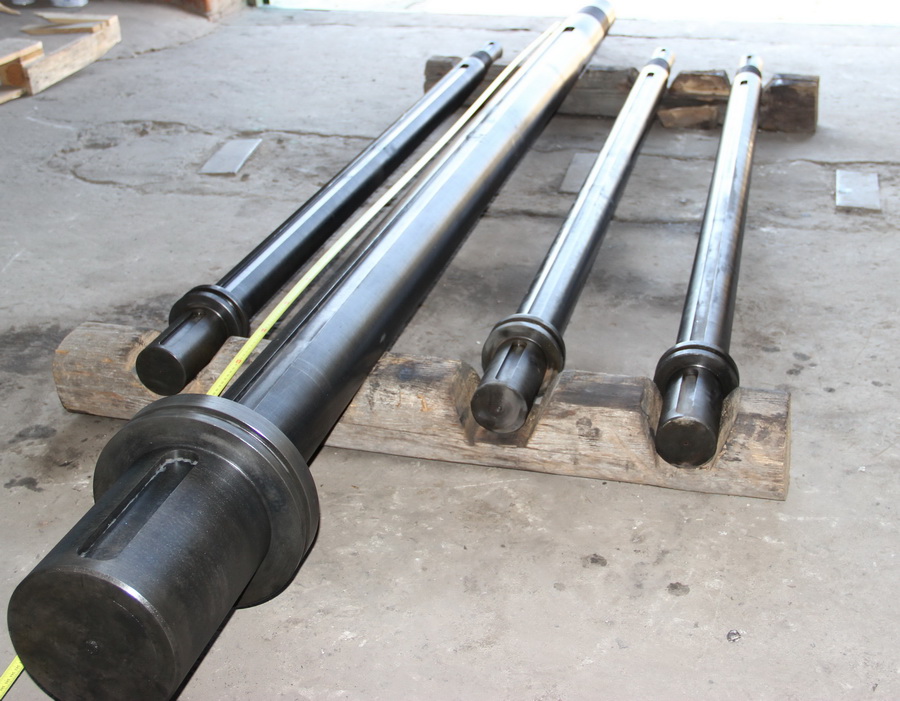
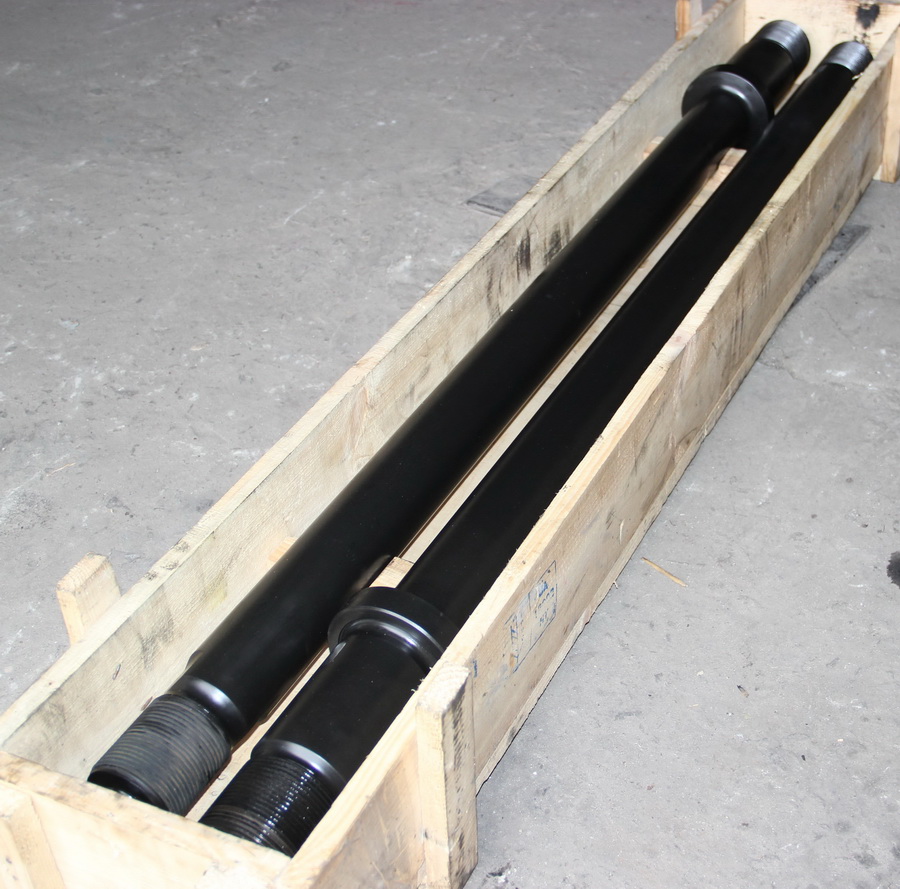
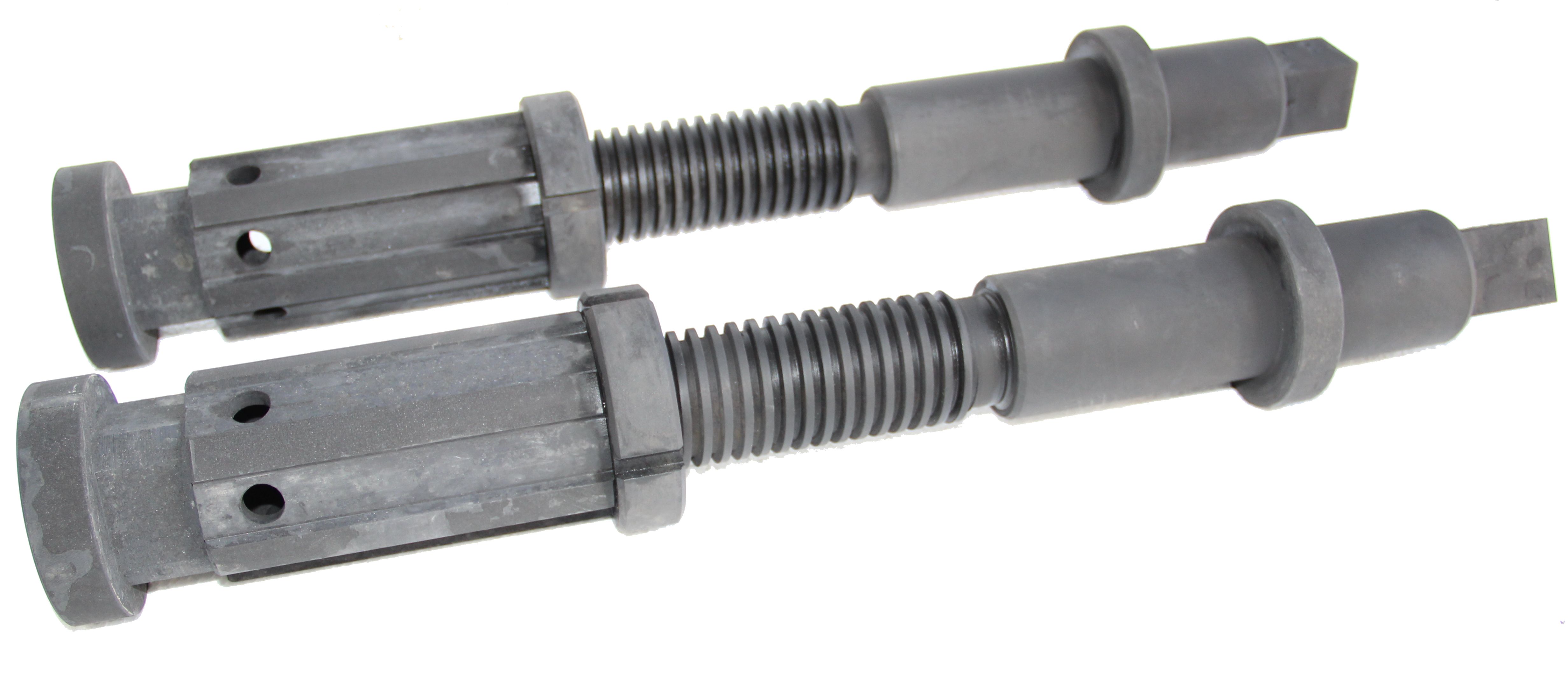
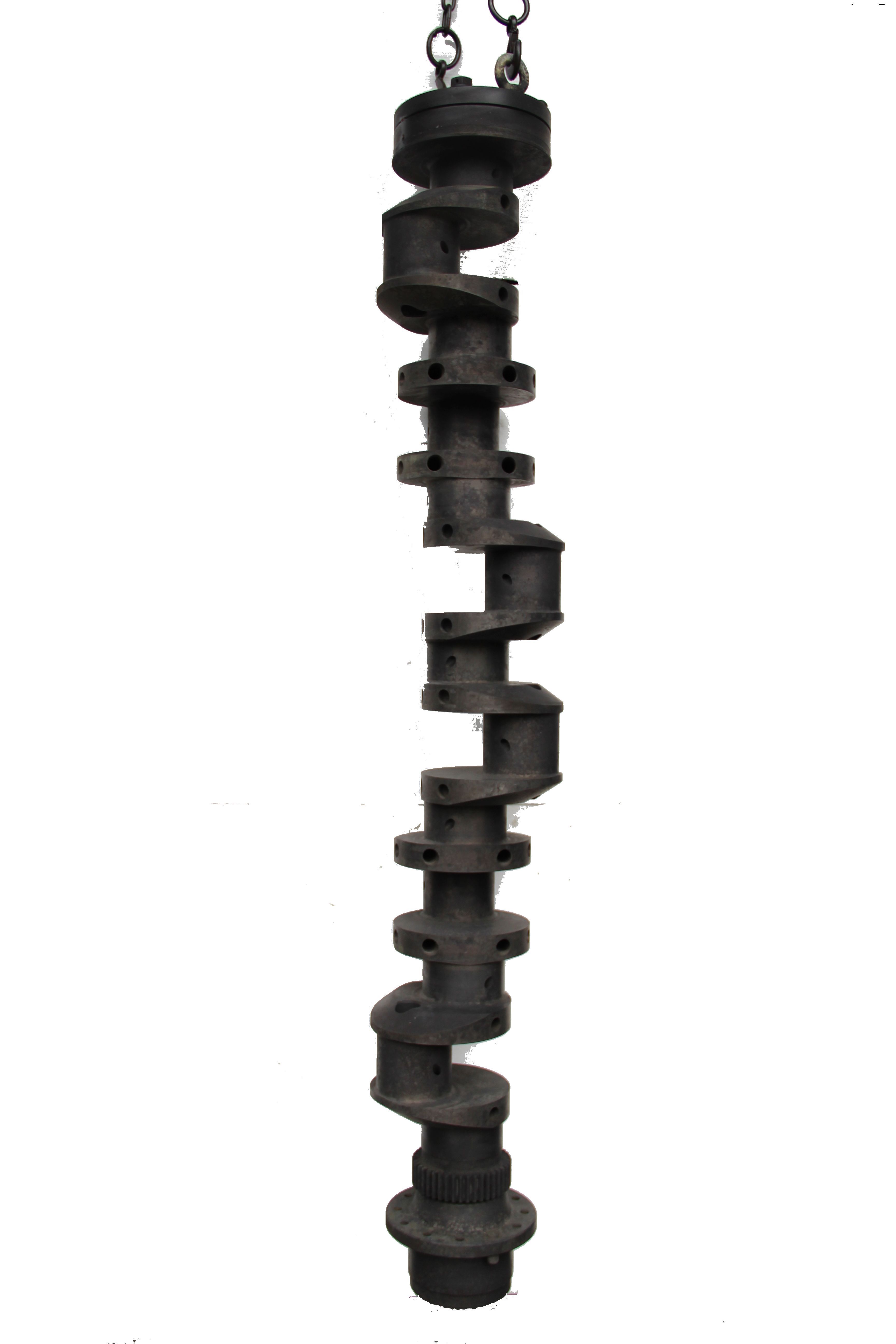
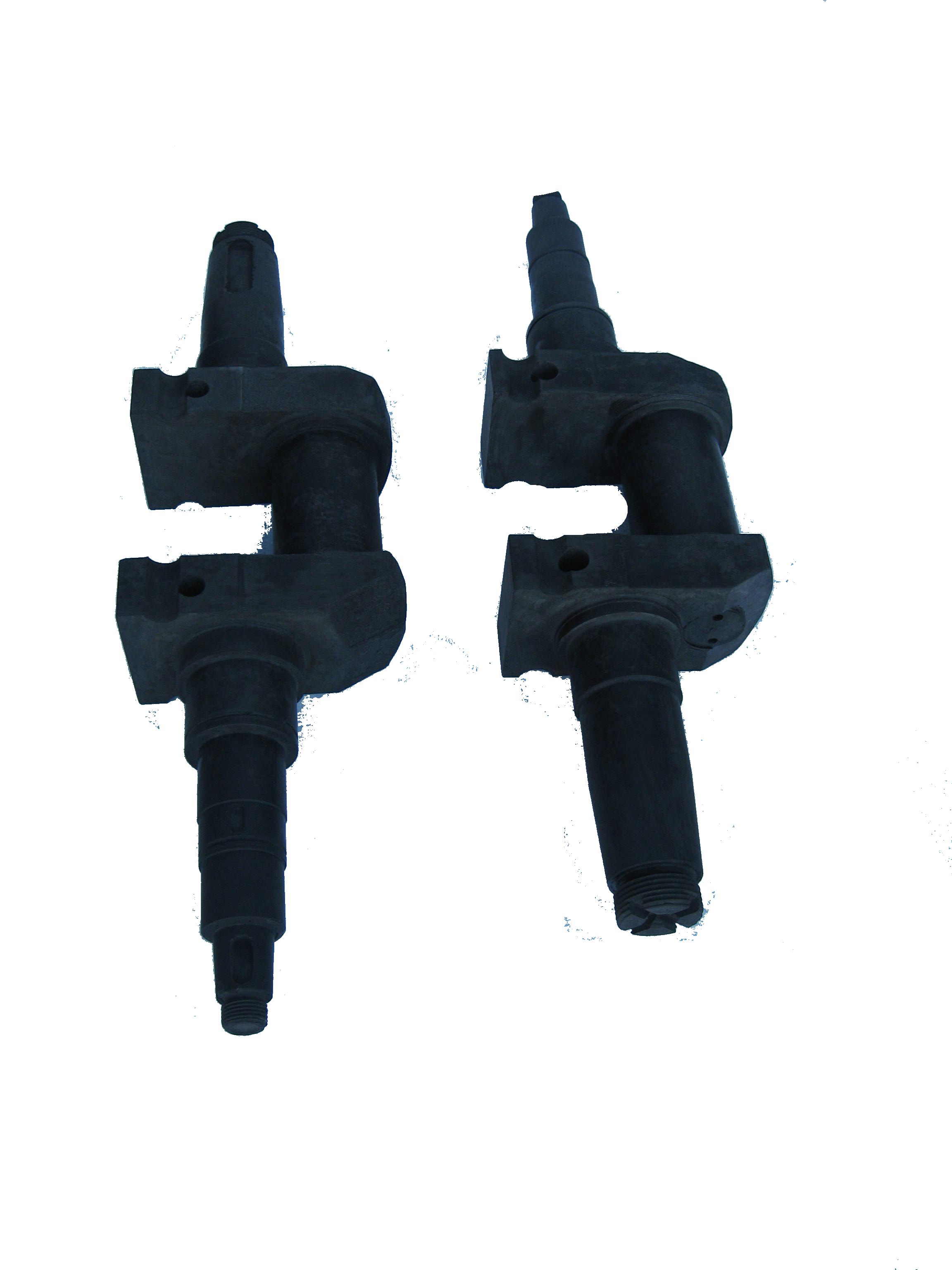
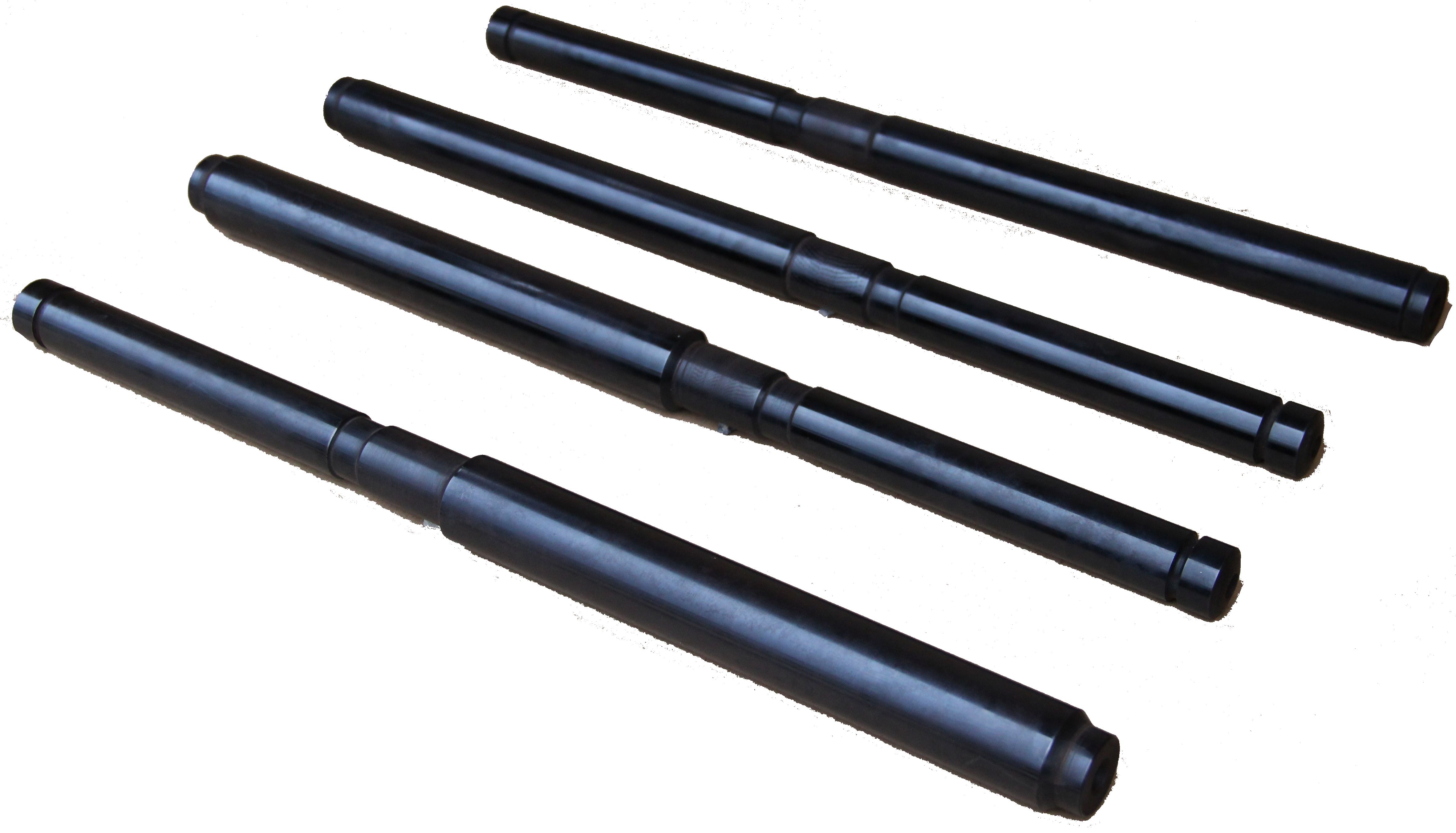
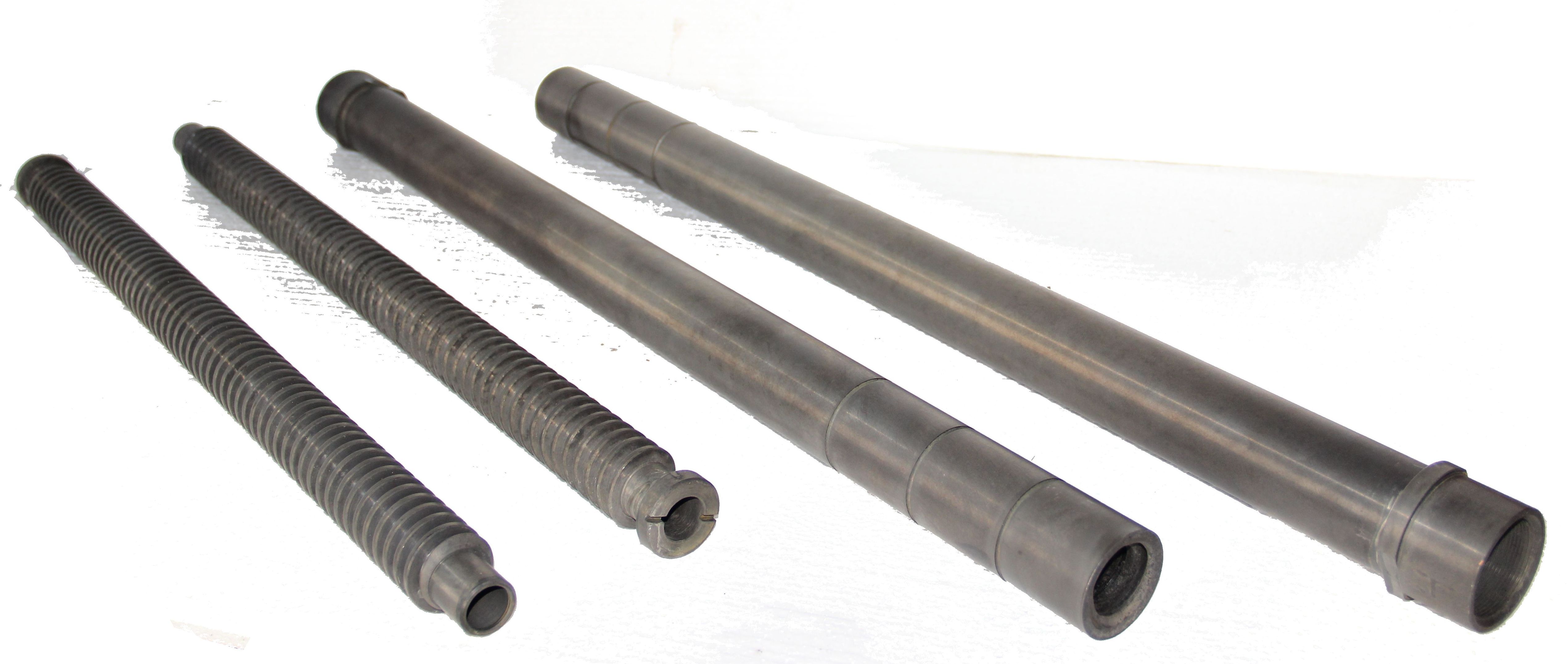
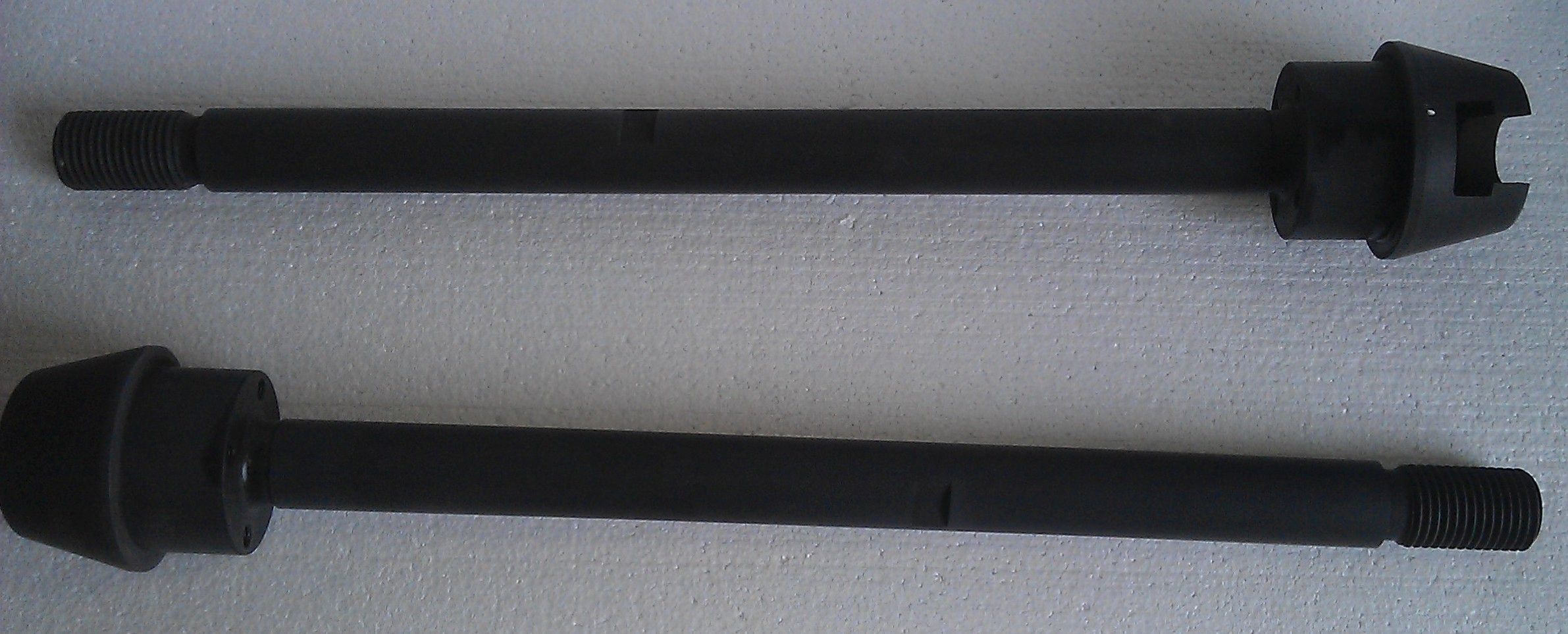
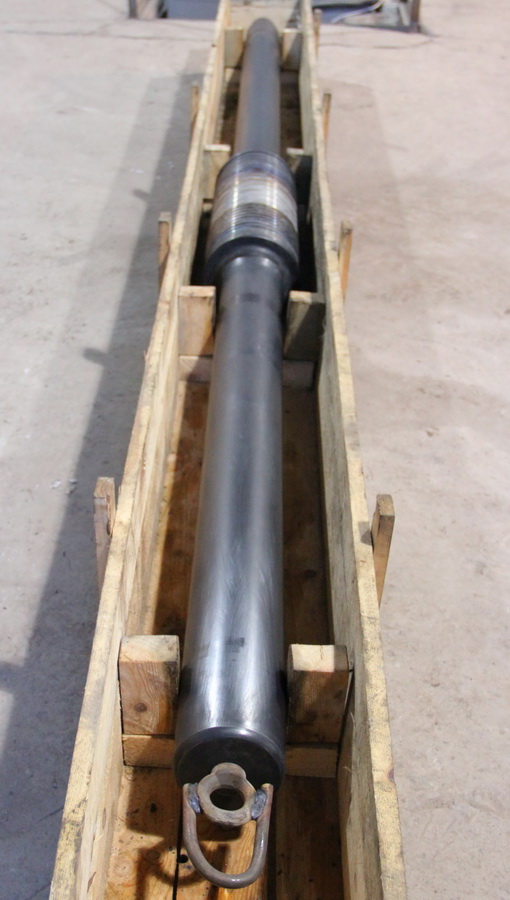
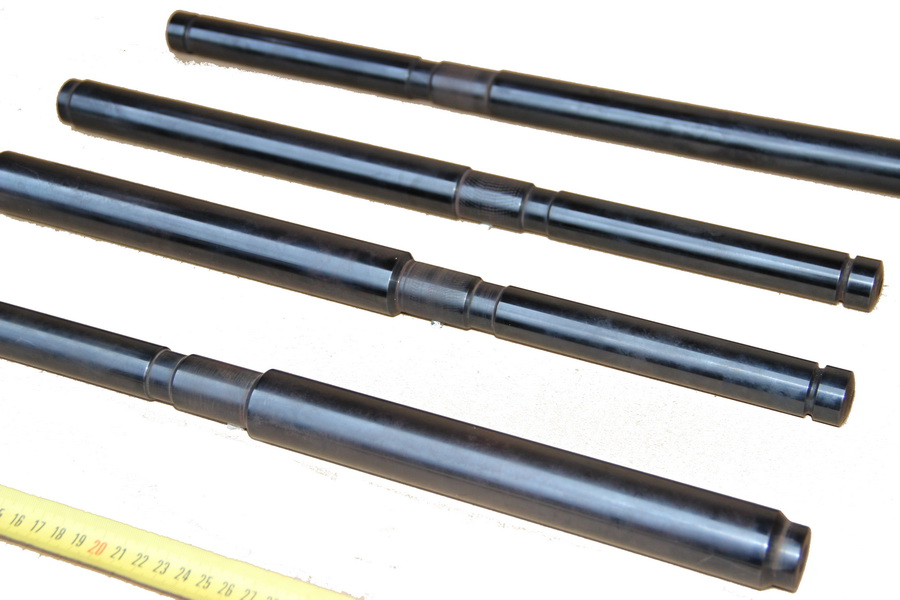
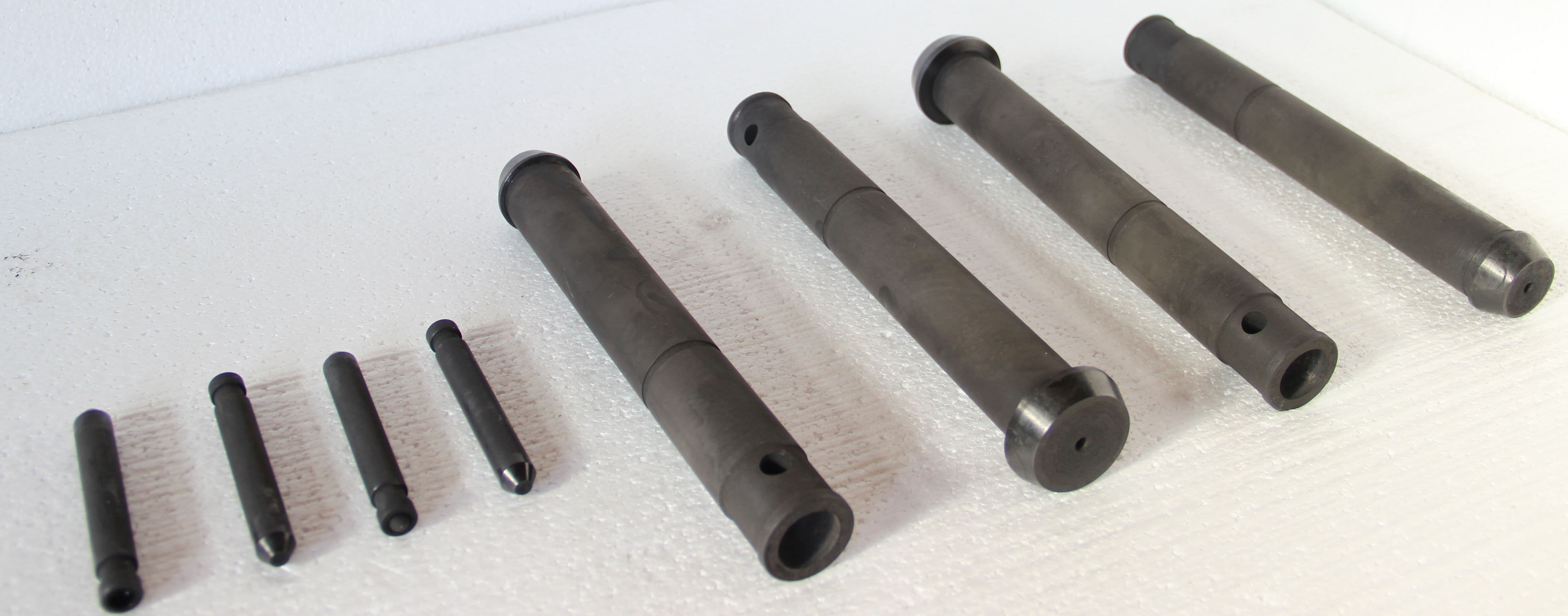
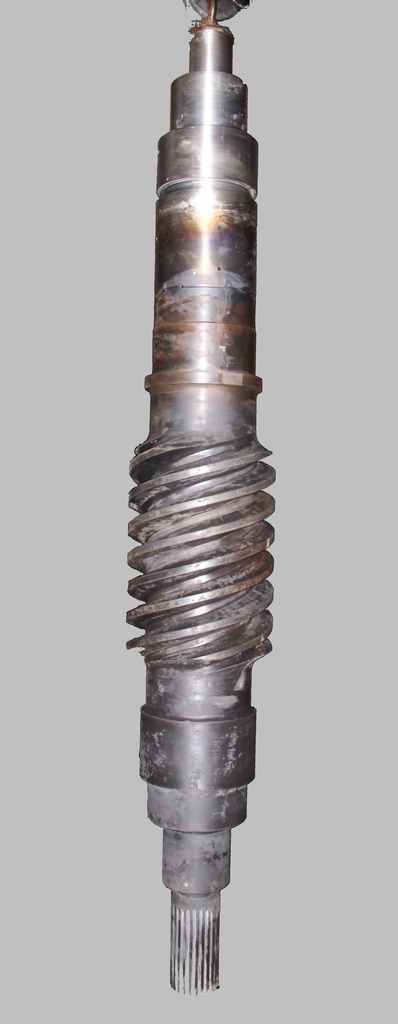
Carbonitriding is a process in which the surface layer of a metal part is enriched with carbon, increasing strength and wear resistance. It is used across many industries, including mechanical engineering, automotive and aerospace, oil and gas and mining equipment, and others.
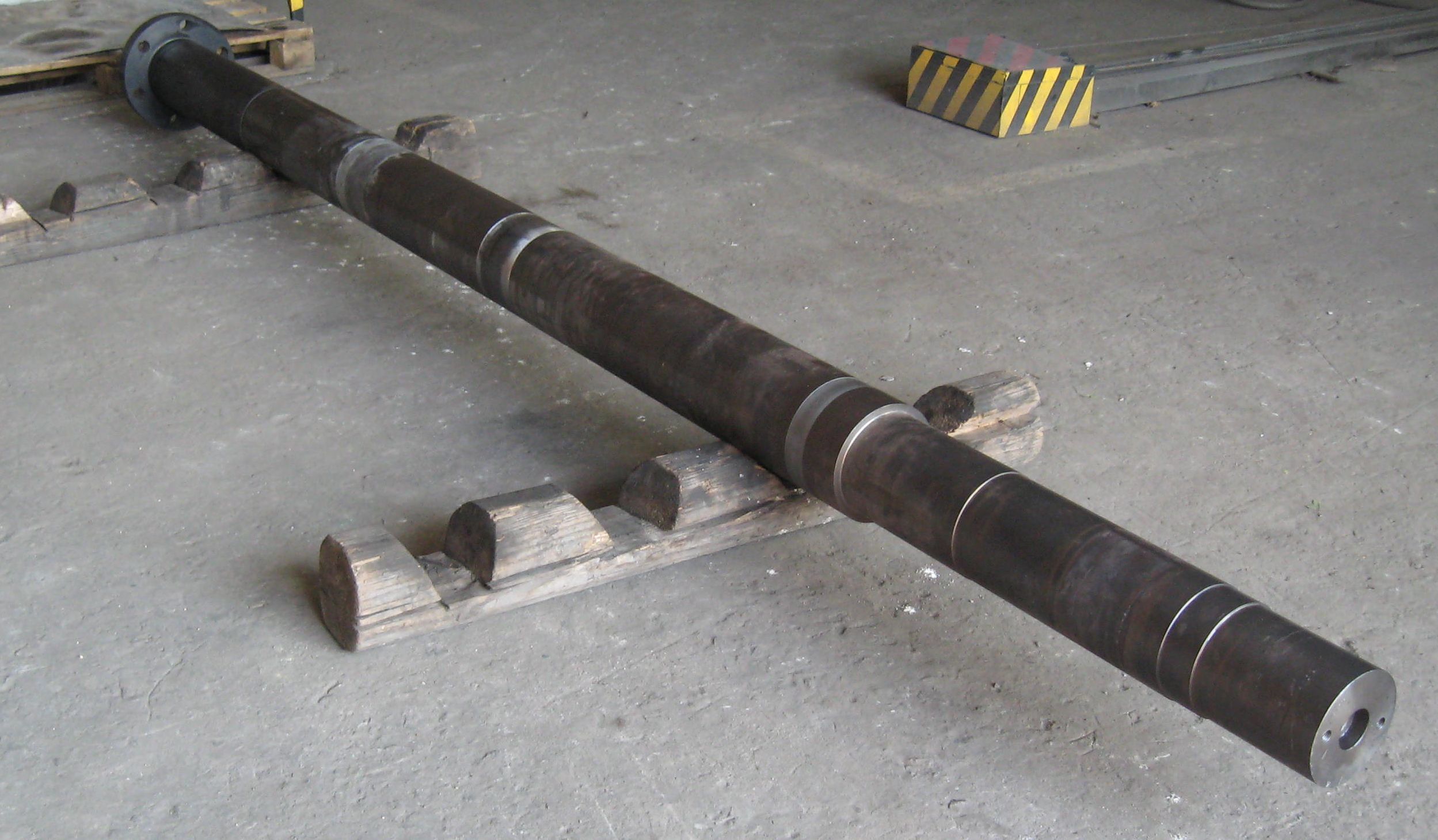
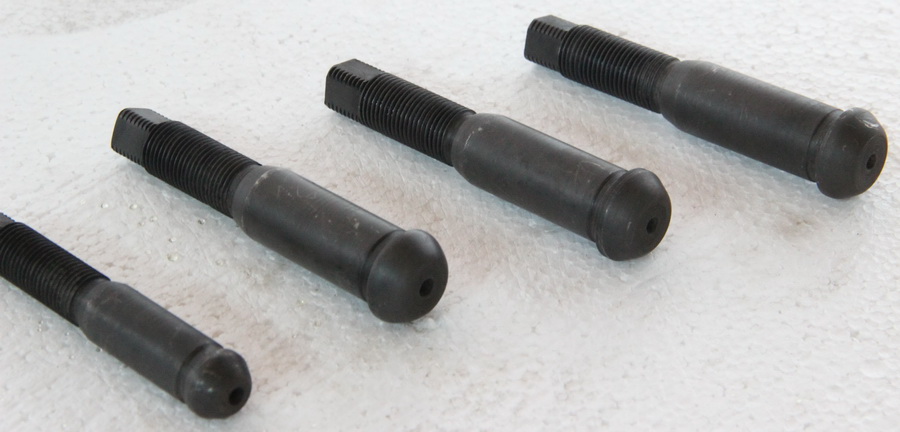
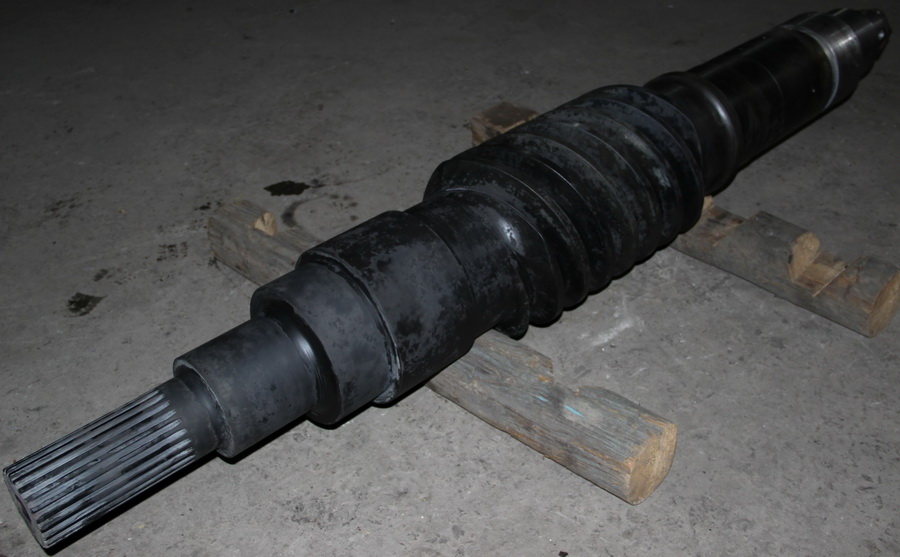
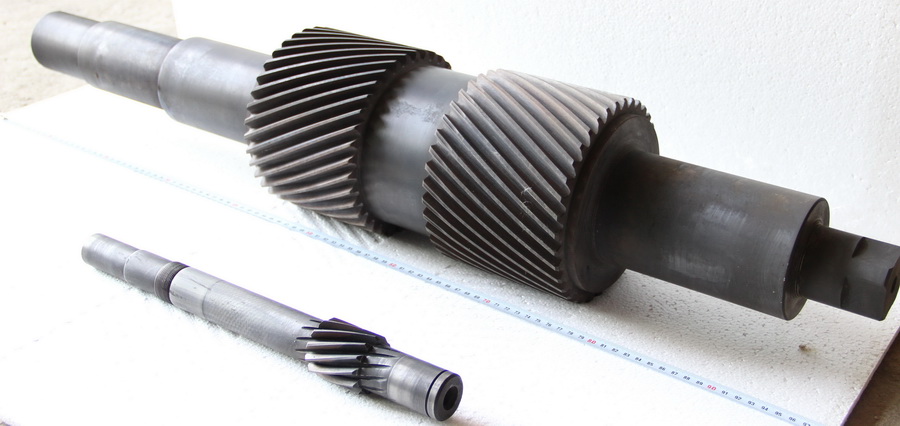
Carbonitriding of shafts, crankshafts, rods and screws improves strength and wear resistance under high loads and friction. This is especially important for parts in mechanisms with large oscillation amplitudes and frequencies, such as engines and pumps.
Carbonitriding of shafts, crankshafts, rods and screws is carried out at high temperature (typically 800 to 950 °C) in the presence of nitrogen and carbon. Carbides form as a result, creating a very hard, strong layer on the surface. This layer increases wear resistance and corrosion resistance.
Carbonitriding can also extend service life and reduce replacement and maintenance costs—especially when parts are in hard-to-access locations.
Overall, carbonitriding is an important process for improving the strength and wear resistance of shafts, crankshafts, rods, screws and other metal parts operating under severe conditions, increasing reliability and efficiency and reducing maintenance and replacement costs.