

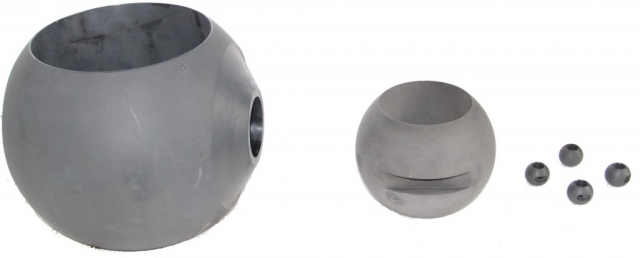
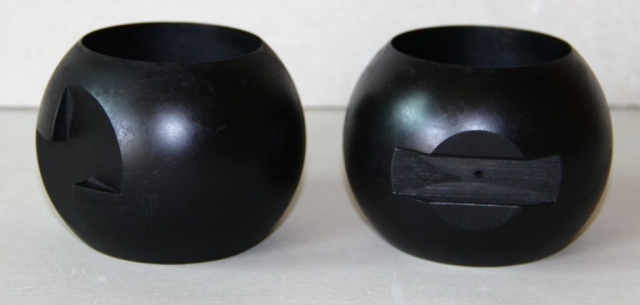
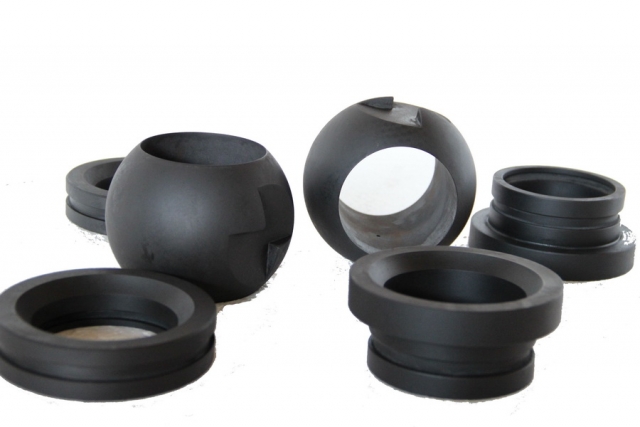
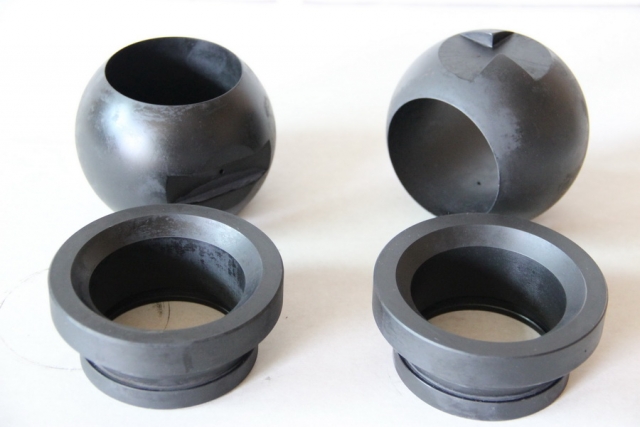
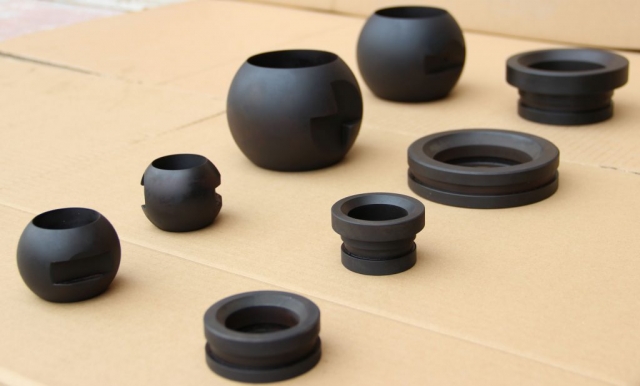
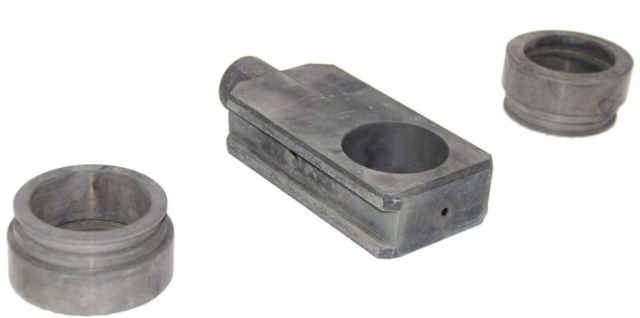
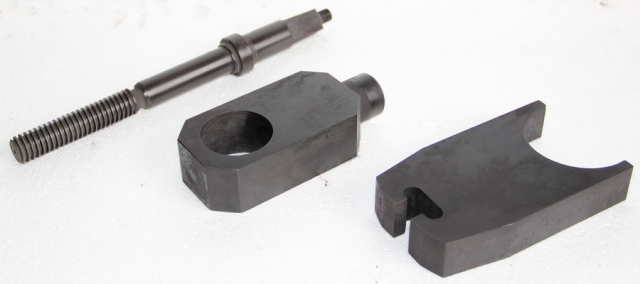
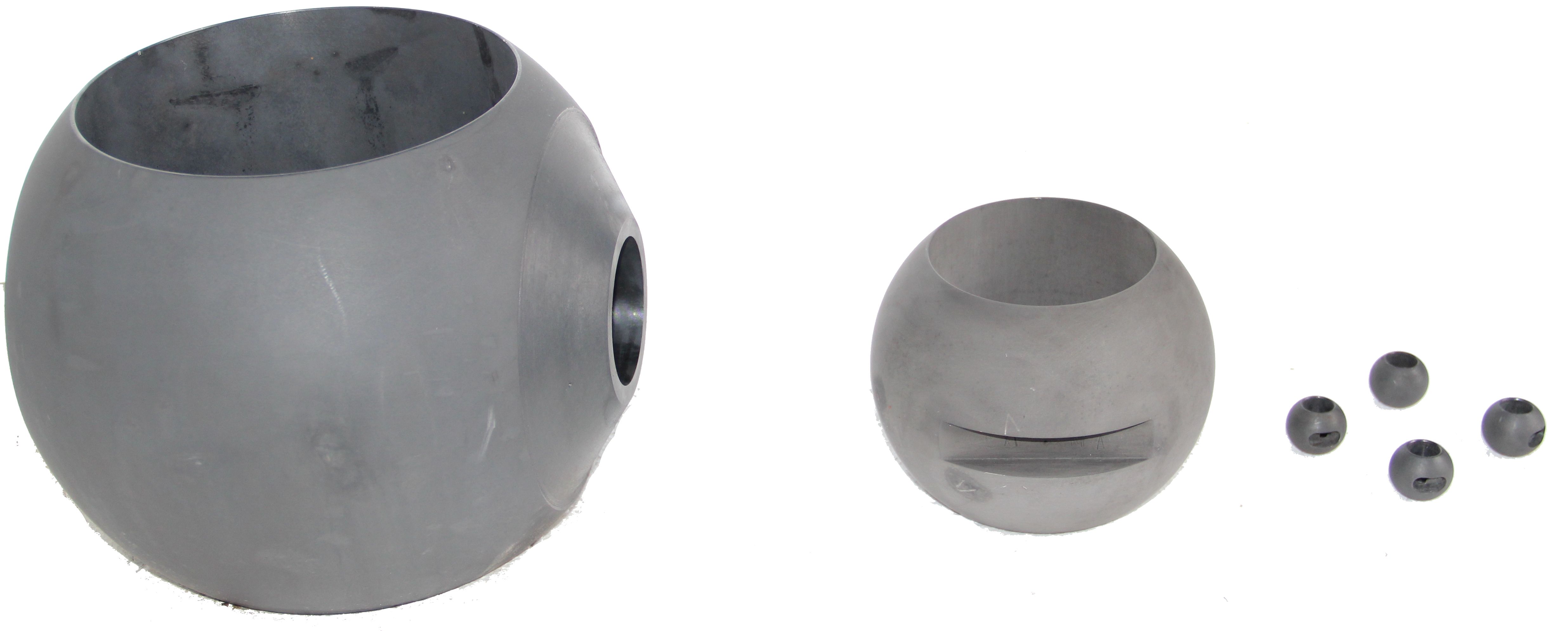
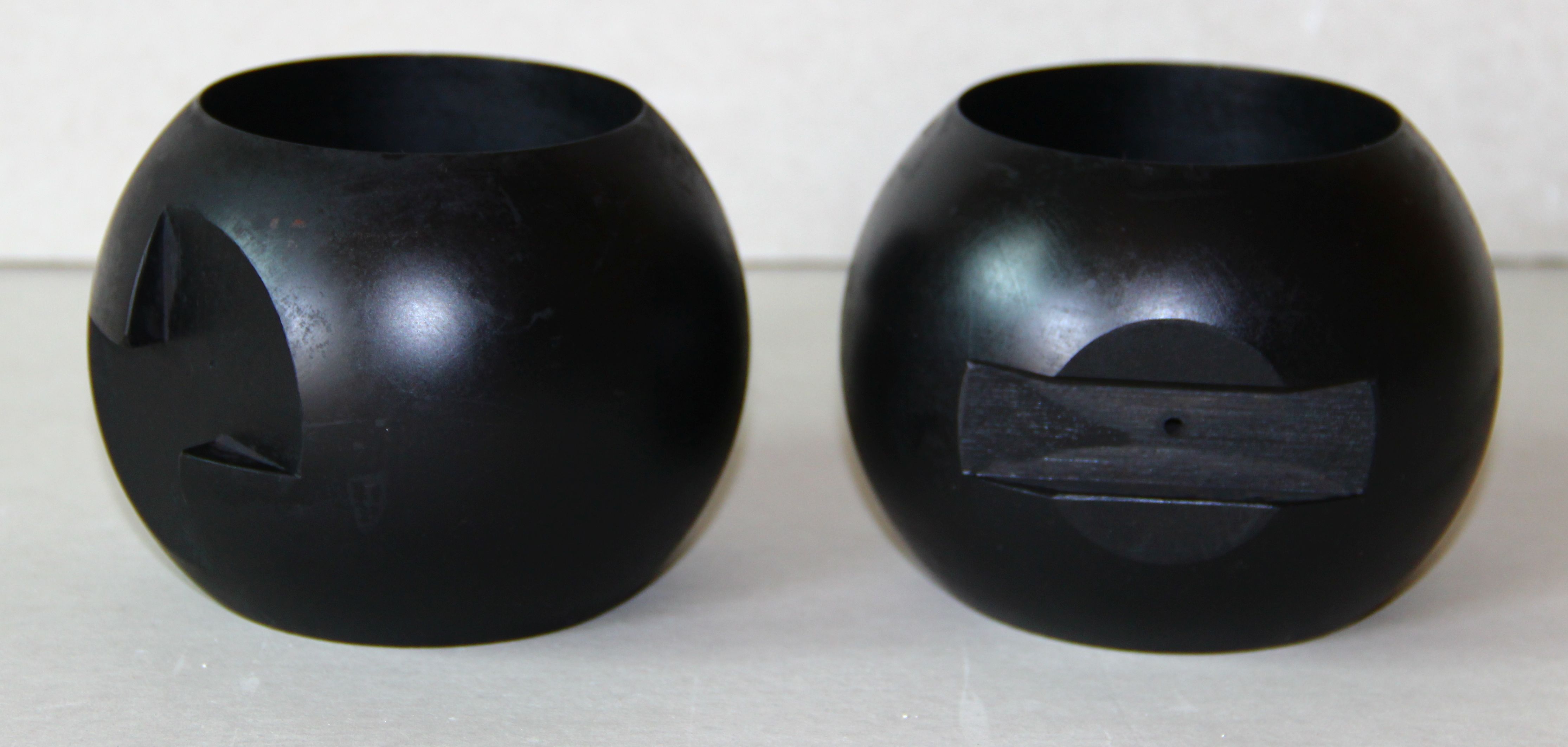
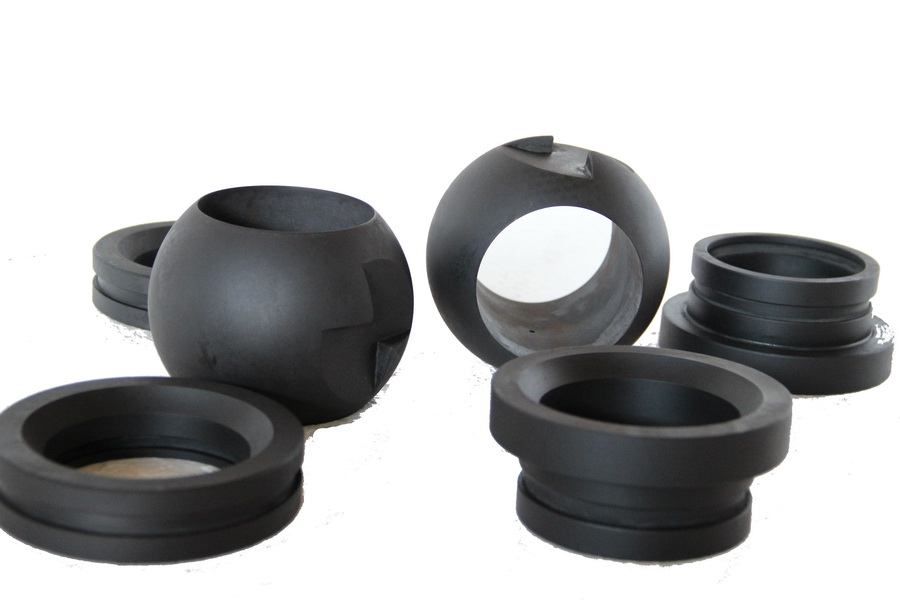
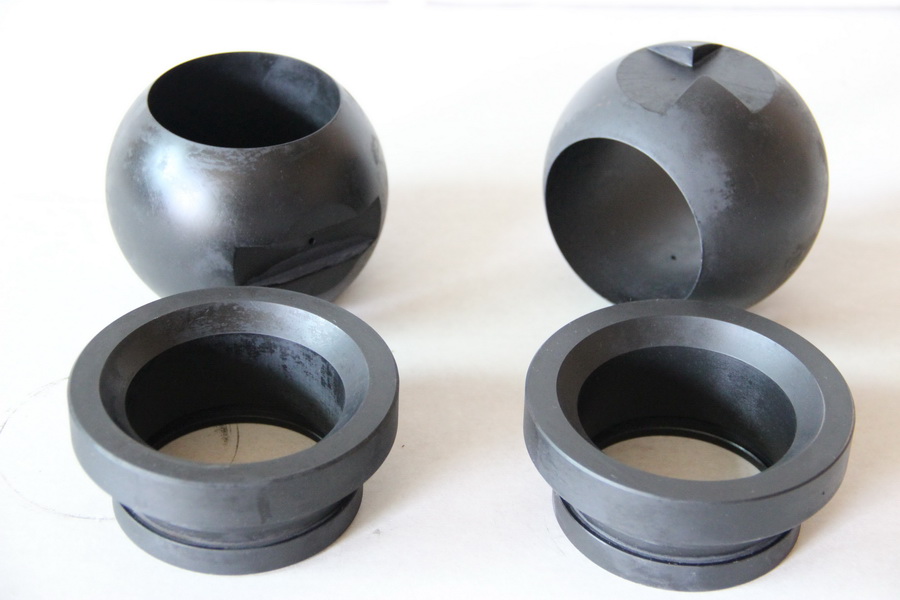
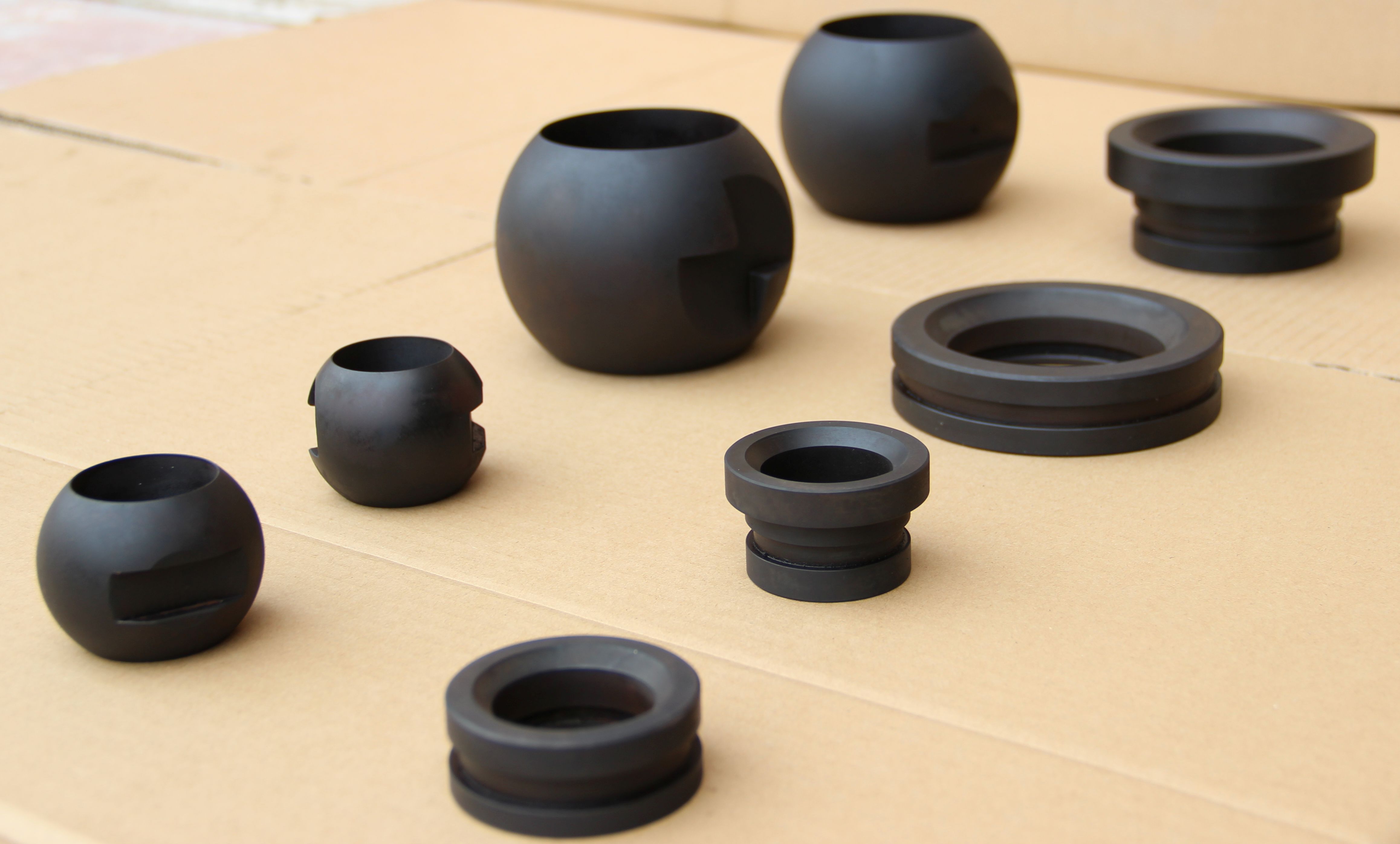
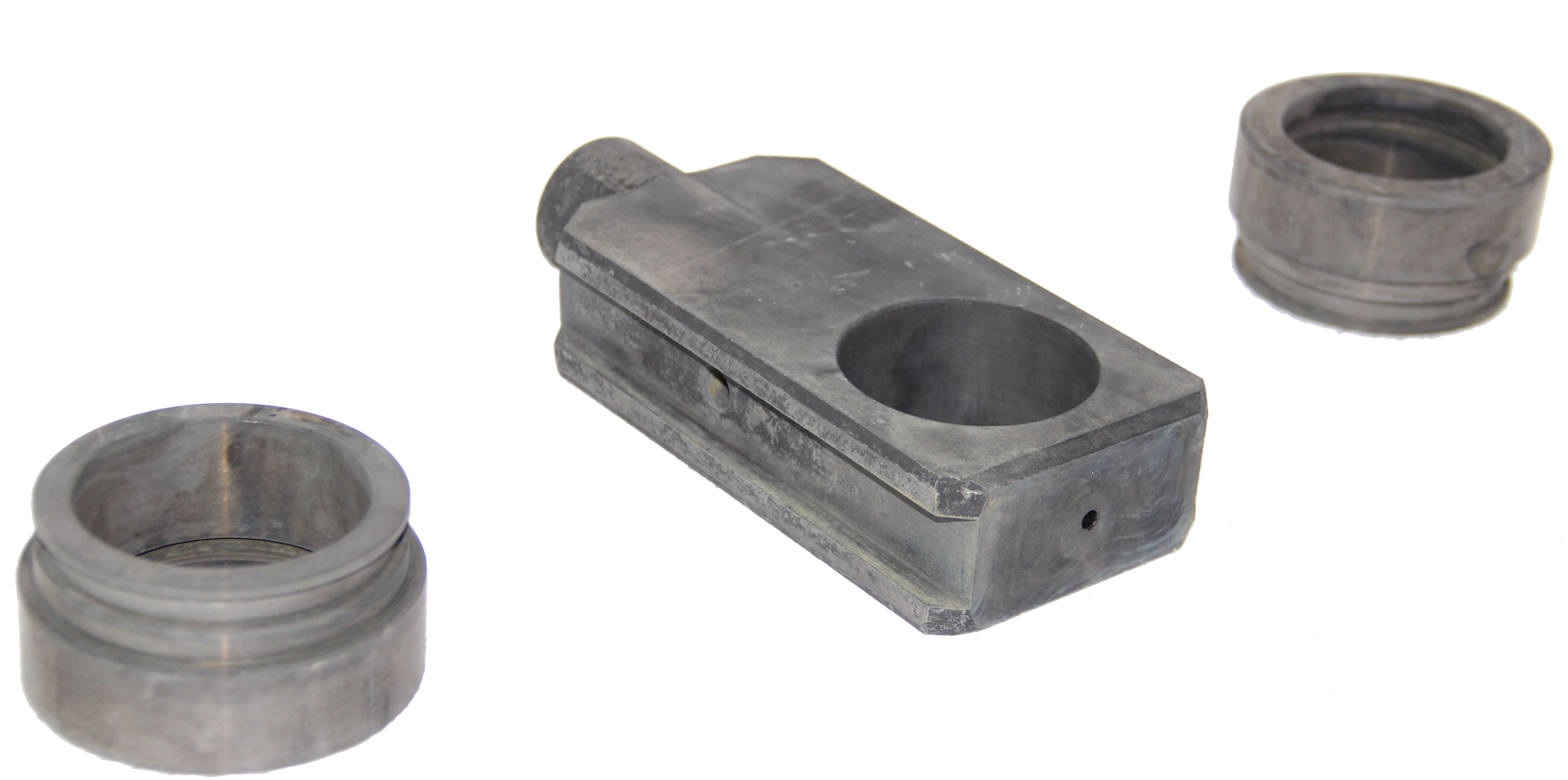
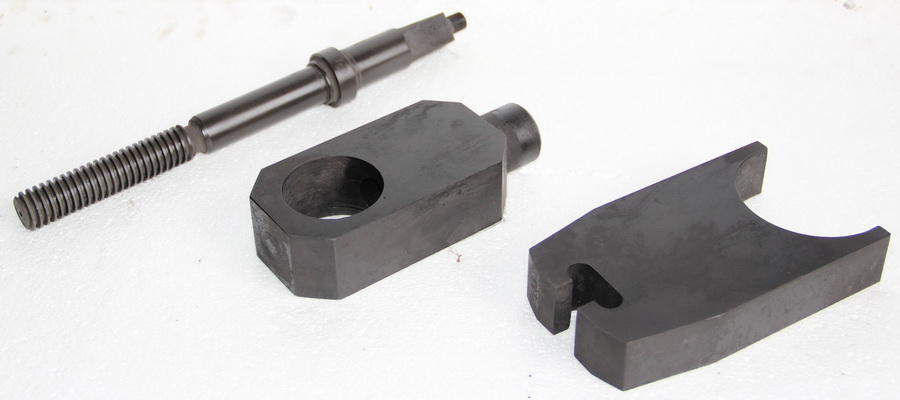


Carbonitriding of shut-off valves—including plugs, seats and gates—can be required for several reasons.
First, shut-off valves play a key role in controlling liquid or gas flow in pipelines, regulating pressure and preventing leaks. Plugs, seats and gates can be exposed to high mechanical and thermal loads as well as aggressive chemical environments, which can cause surface wear and corrosion. Carbonitriding can increase wear resistance and corrosion resistance, extending service life and helping ensure safe operation.
Second, shut-off valves are often used under high pressure and temperature, for example in the oil and gas or chemical industries. Carbonitriding can improve thermal stability and help prevent deformation at elevated temperatures.
Finally, carbonitriding can improve sealing performance. The surface layer produced by carbonitriding can improve the seal between valve components, reducing the risk of fluid or gas leakage and improving operational safety.
In summary, carbonitriding of shut-off valves, including plugs, seats and gates, can significantly increase wear resistance, corrosion resistance and tightness, improving valve performance and efficiency and enhancing operational safety.