

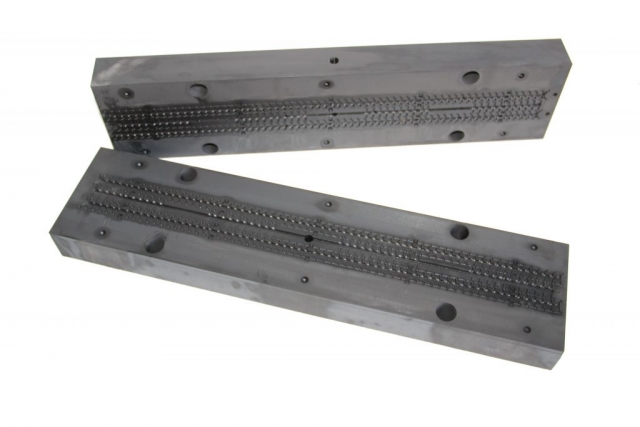
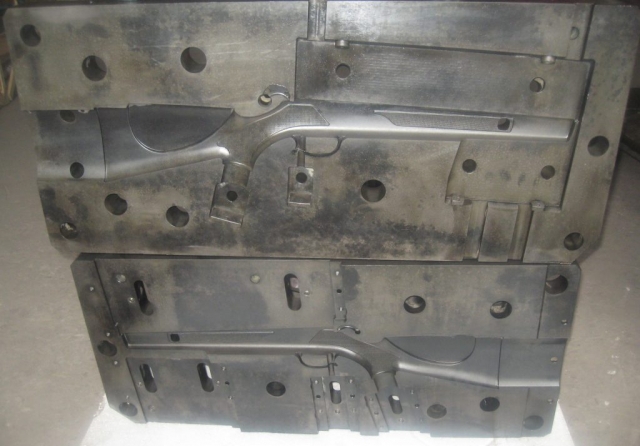
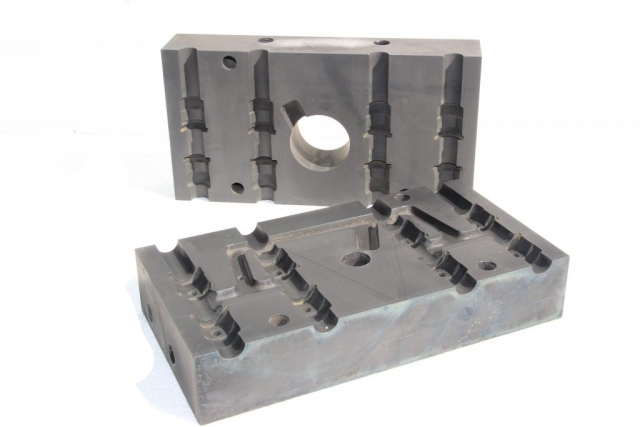
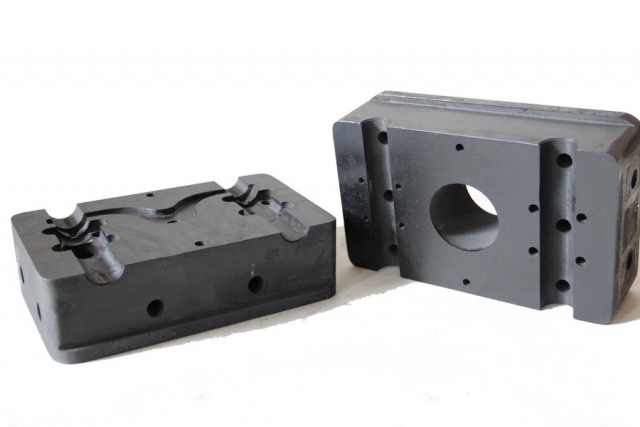
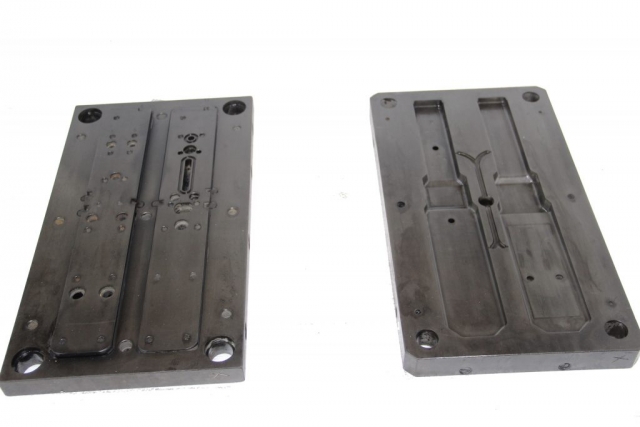
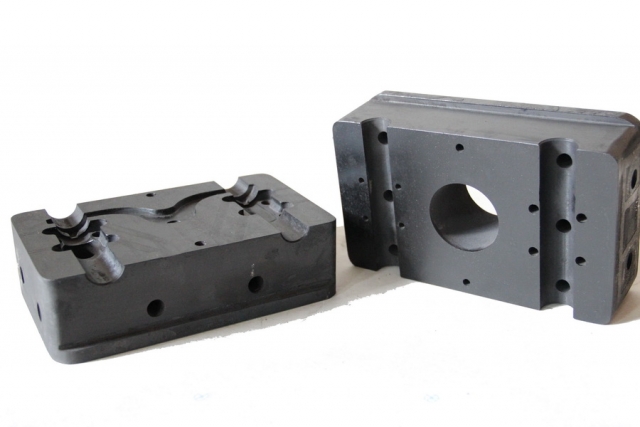
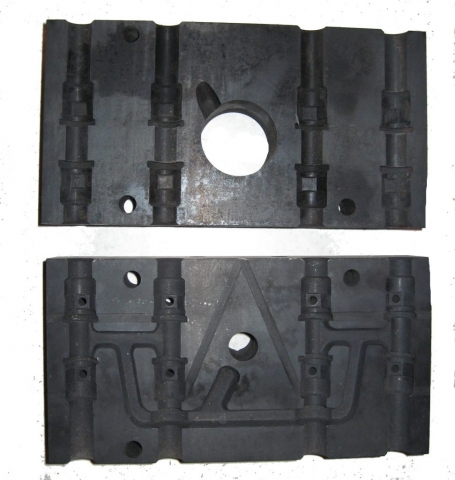
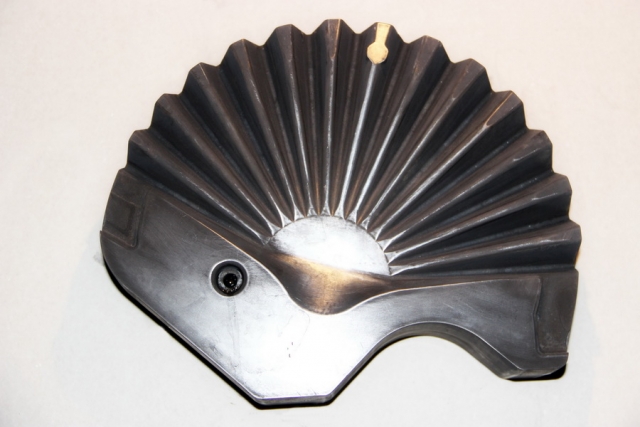
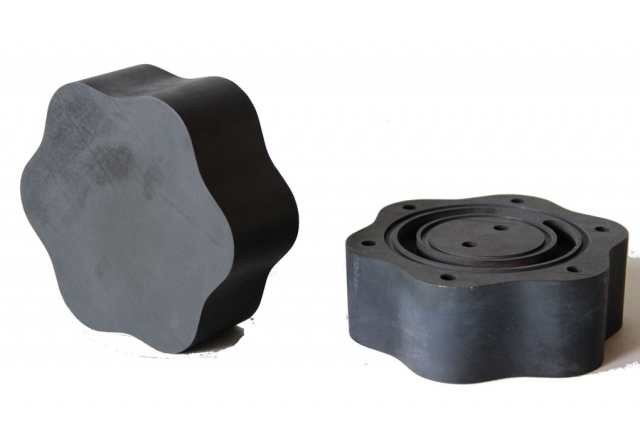
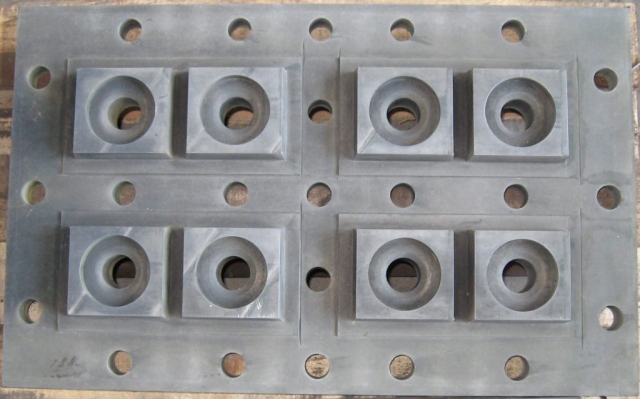
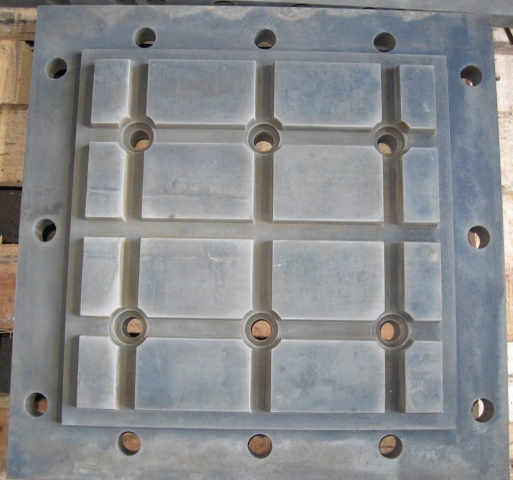
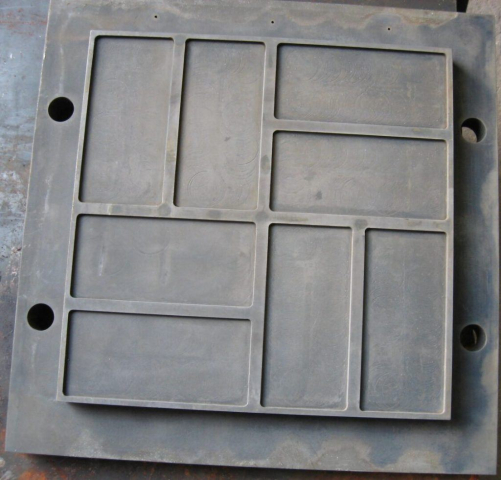
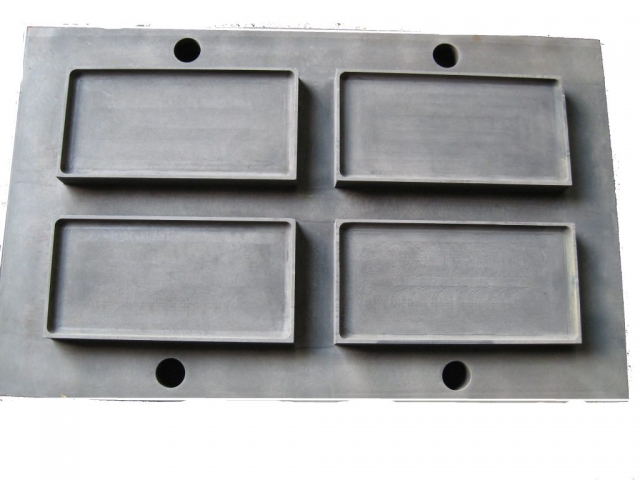
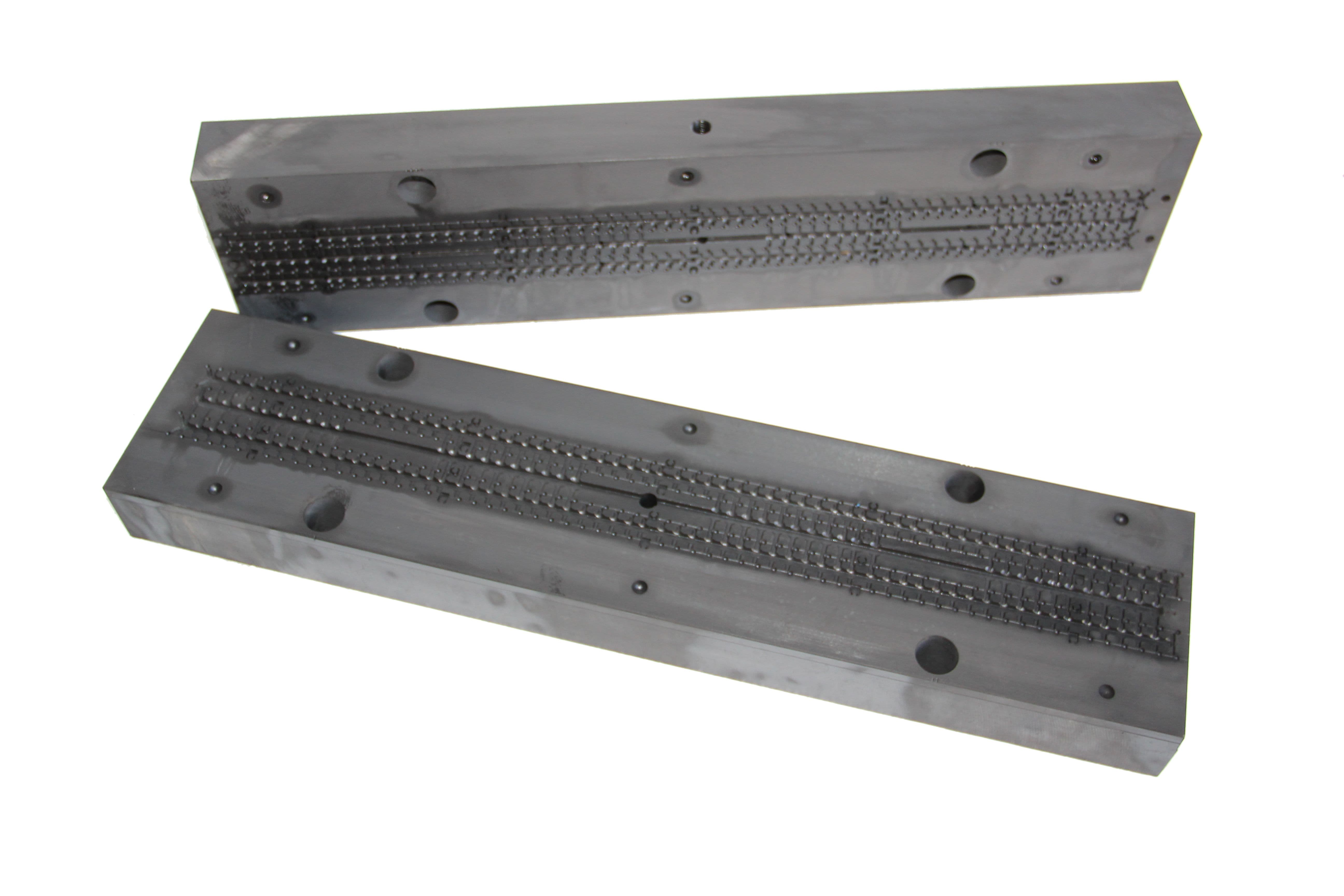
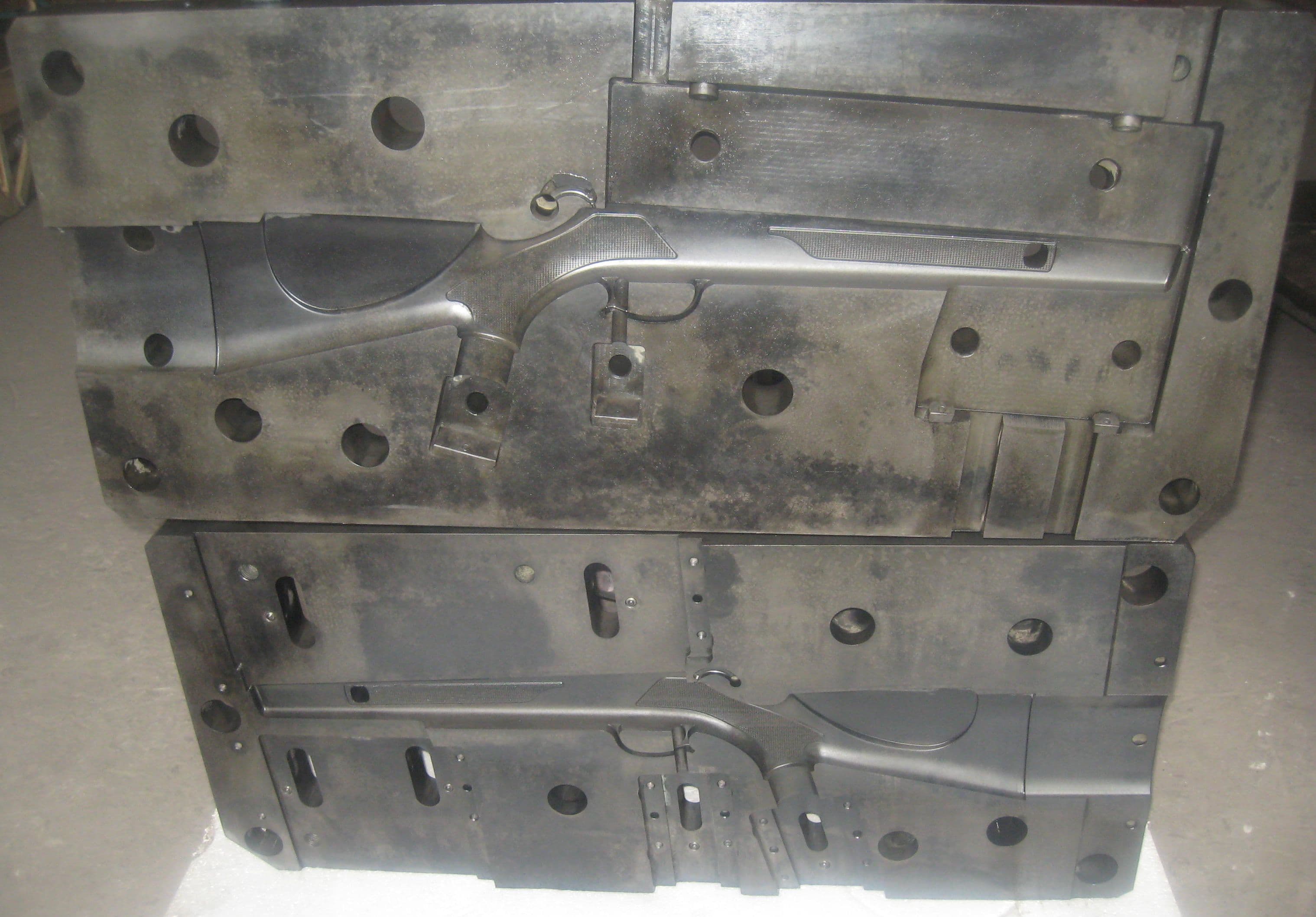
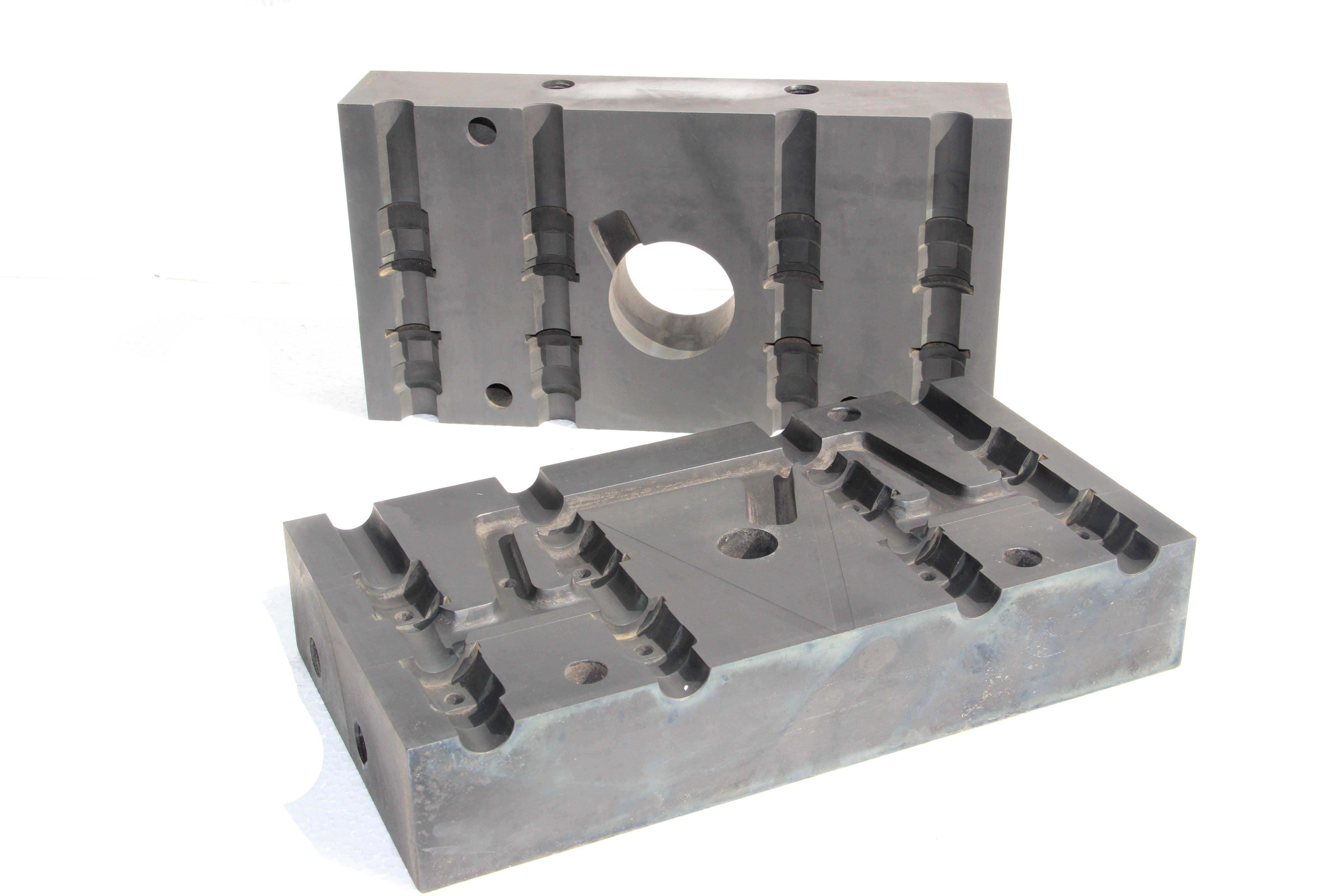
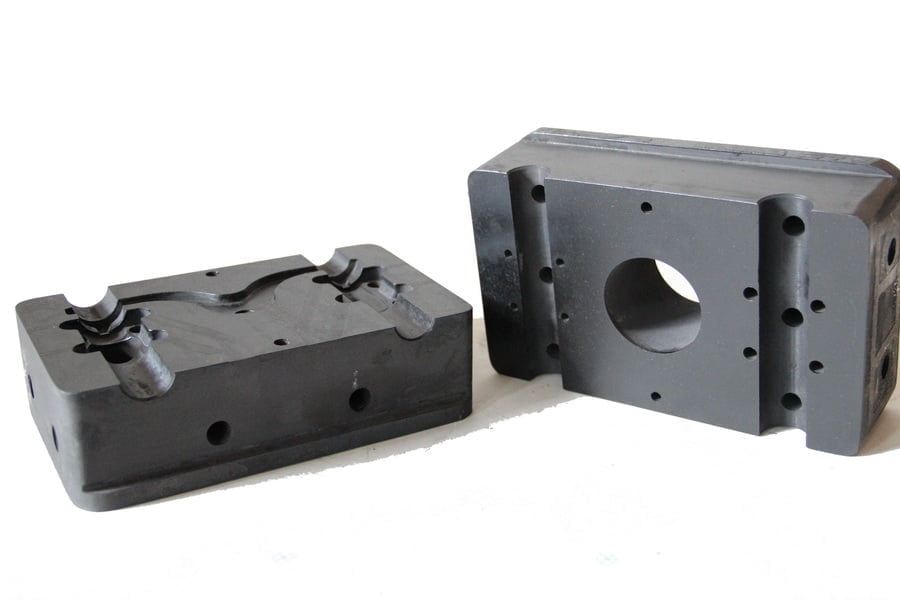
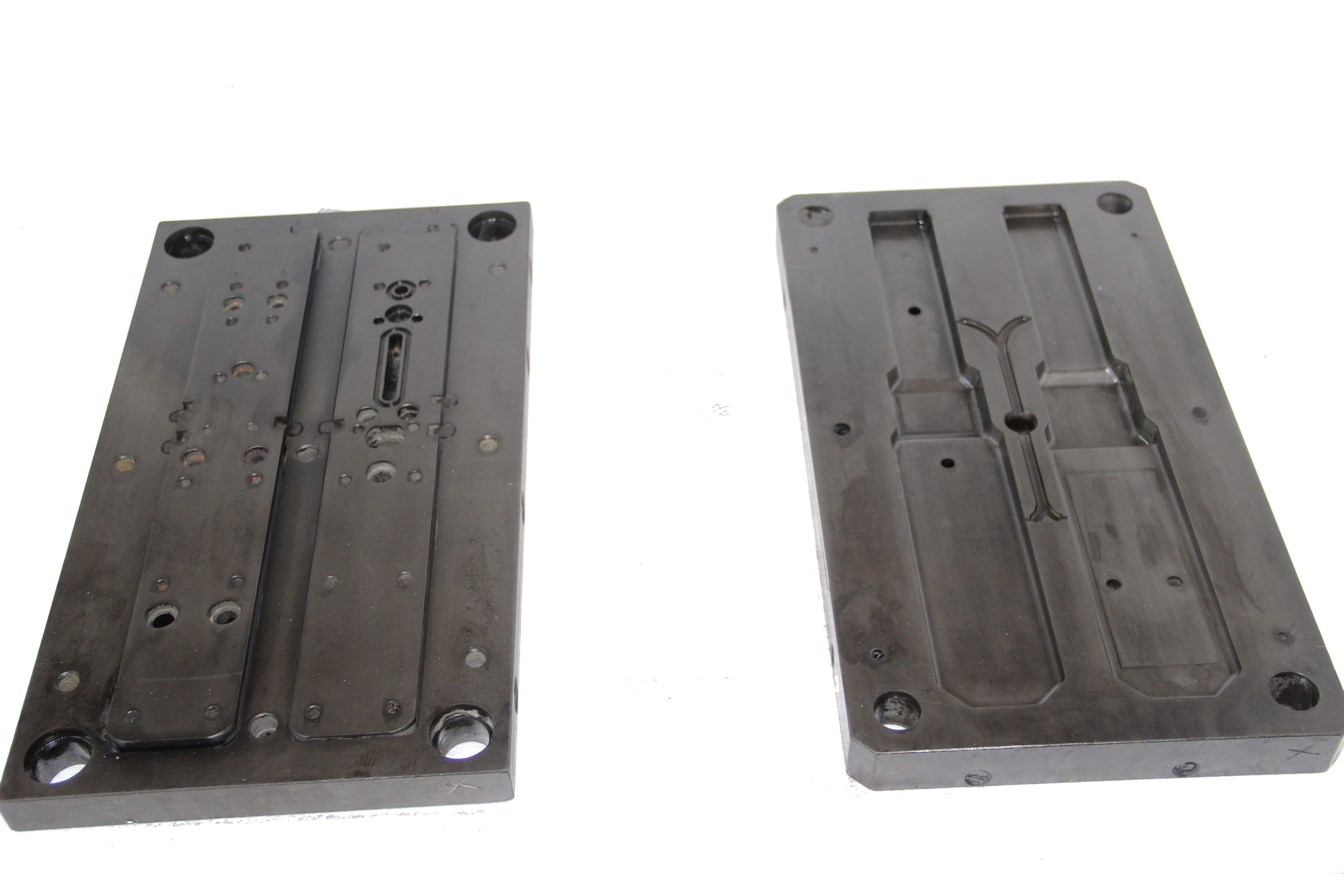
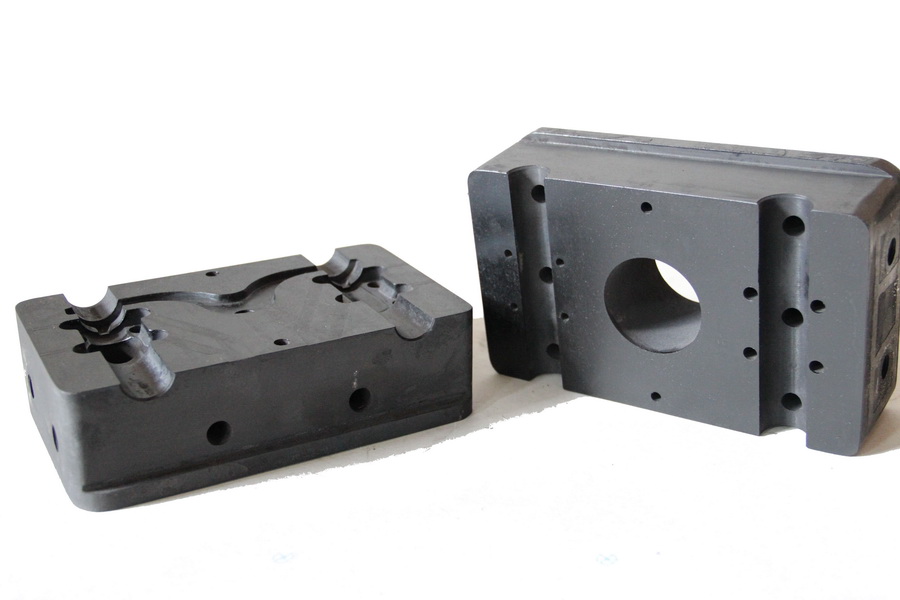
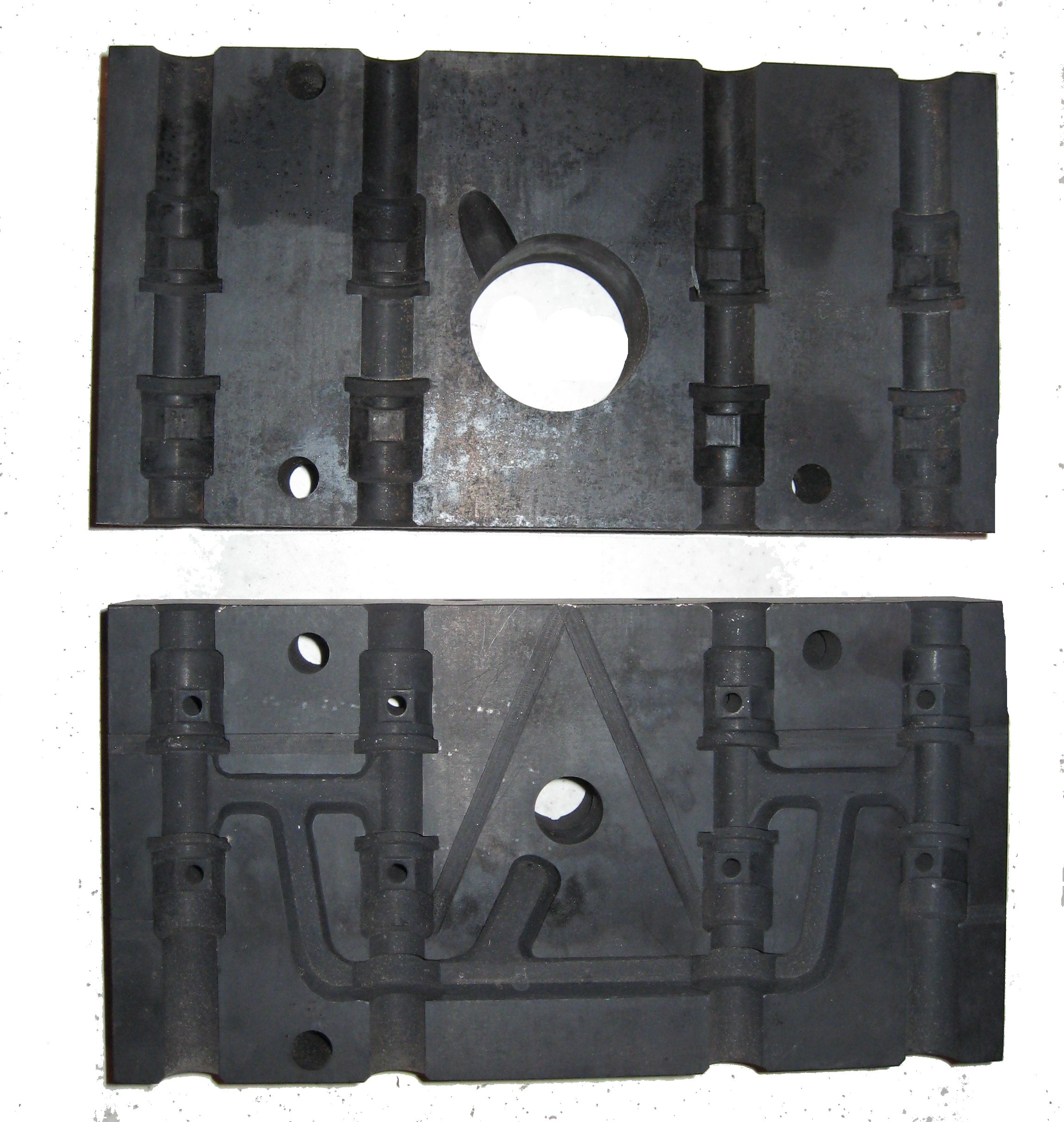
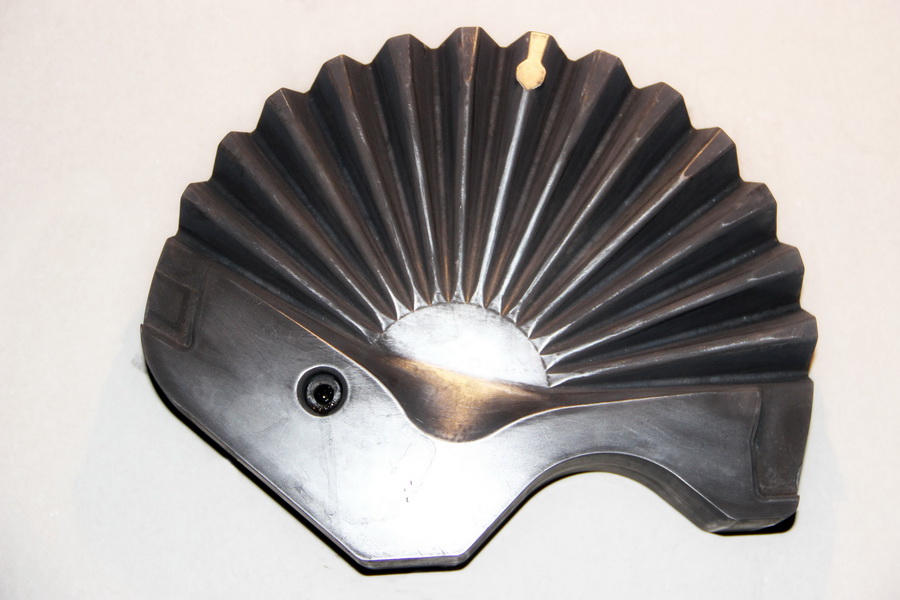
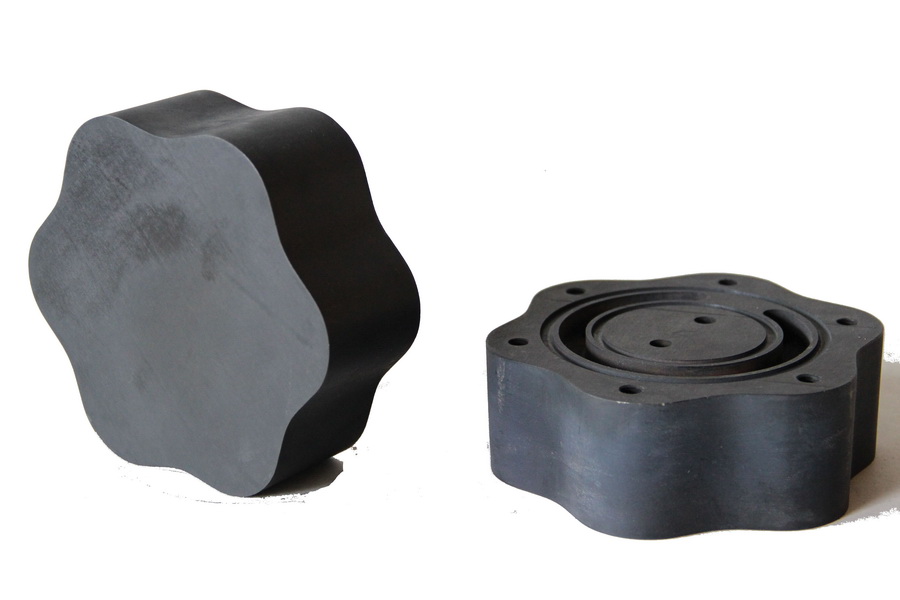
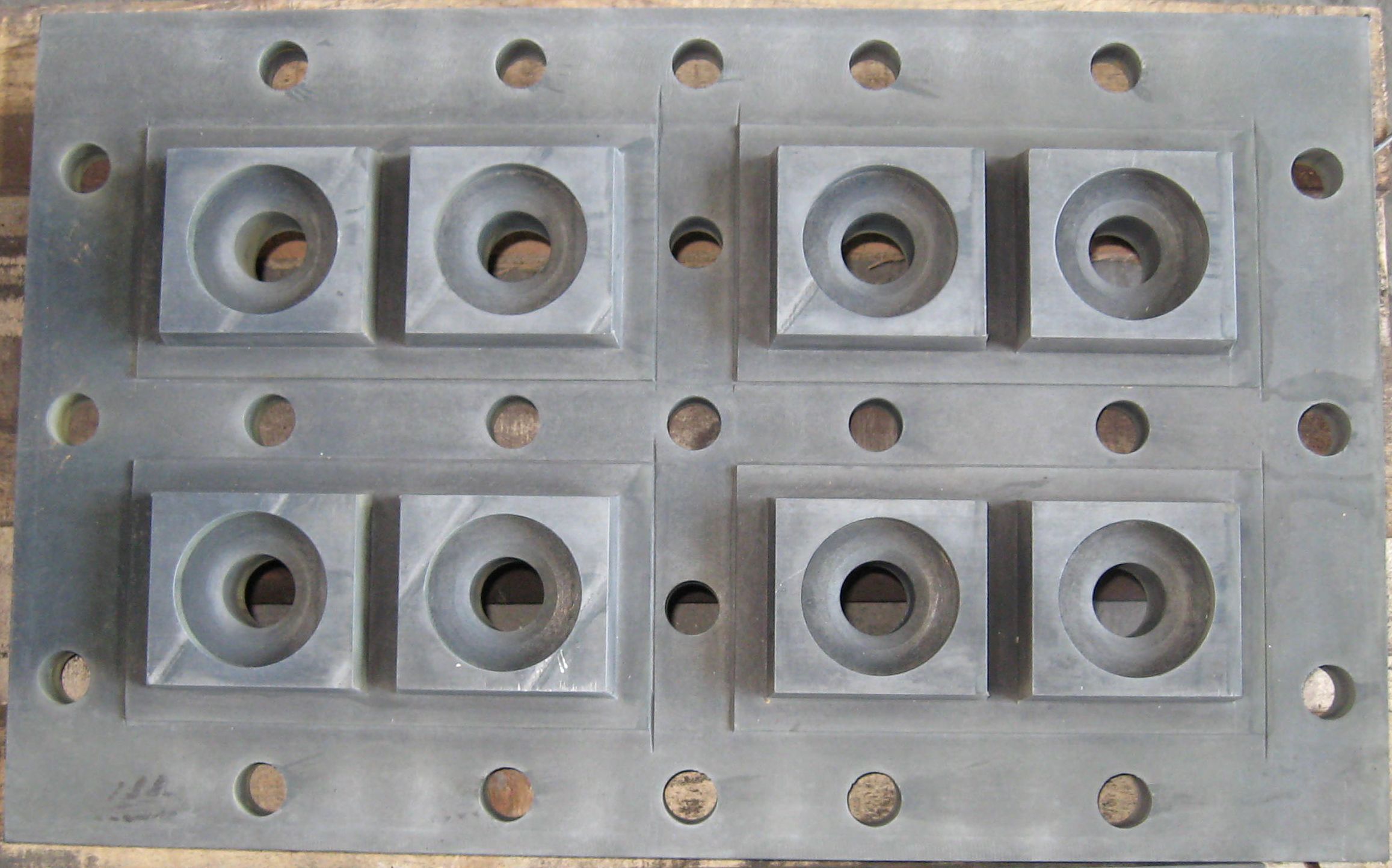
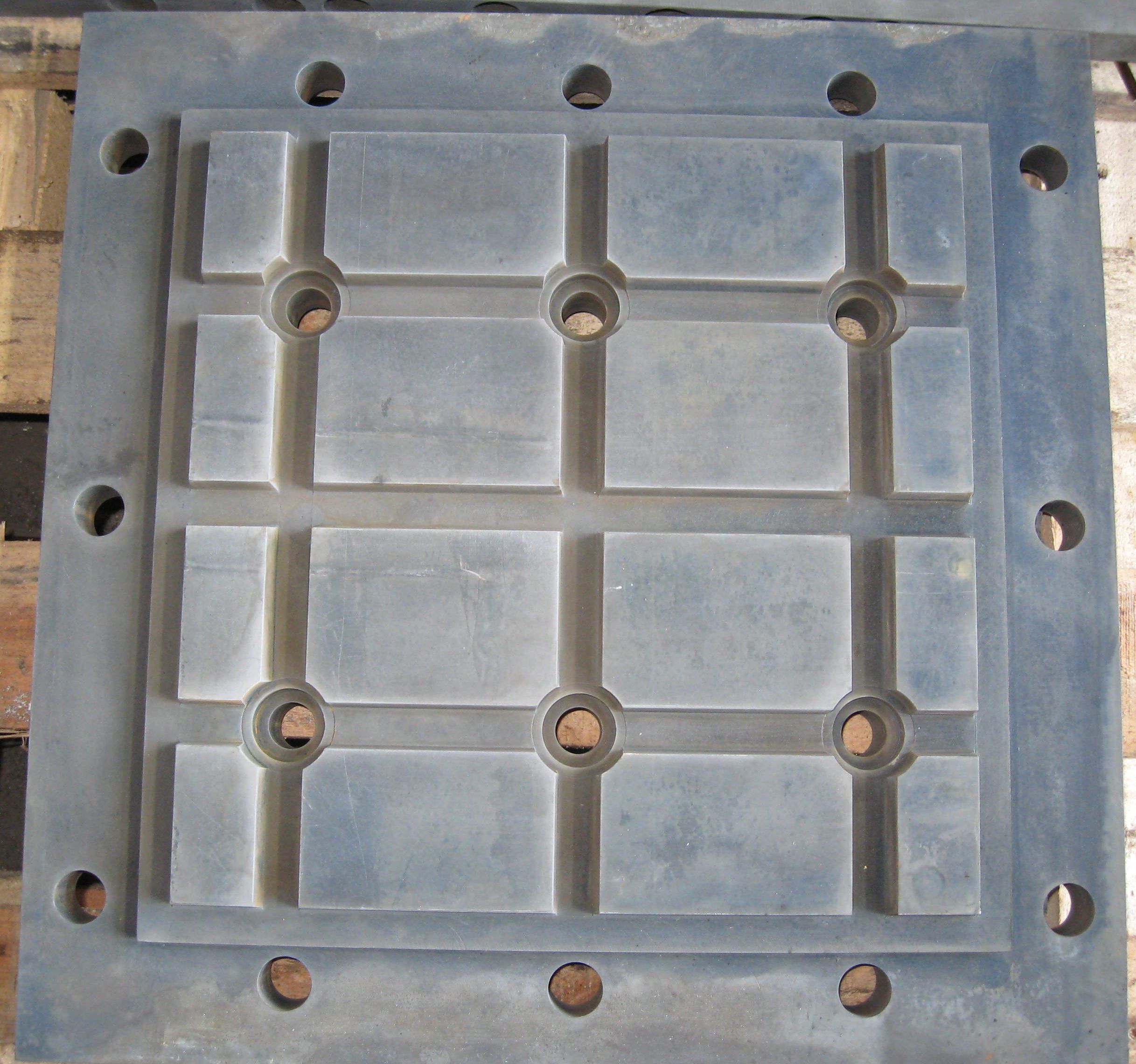
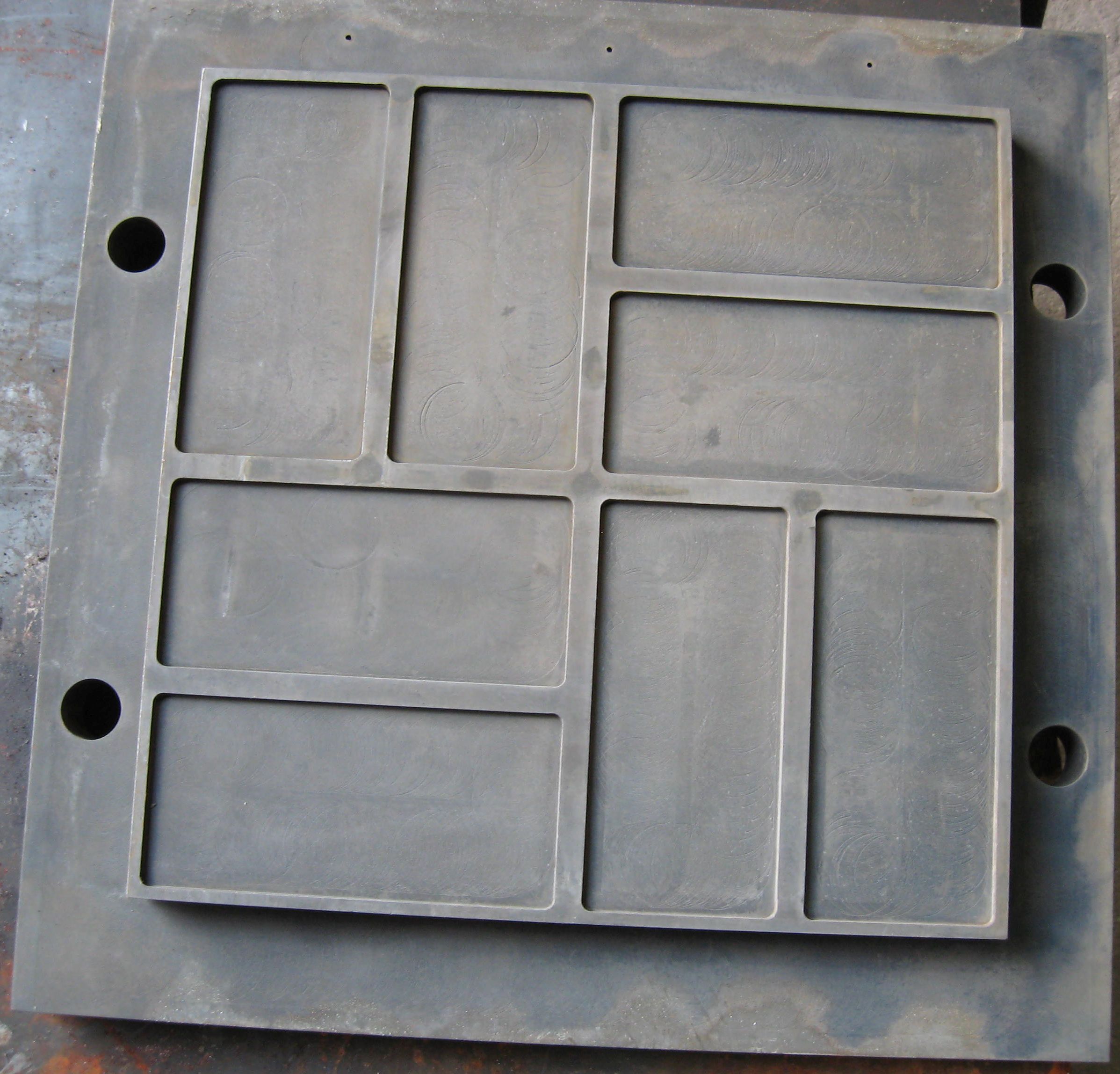
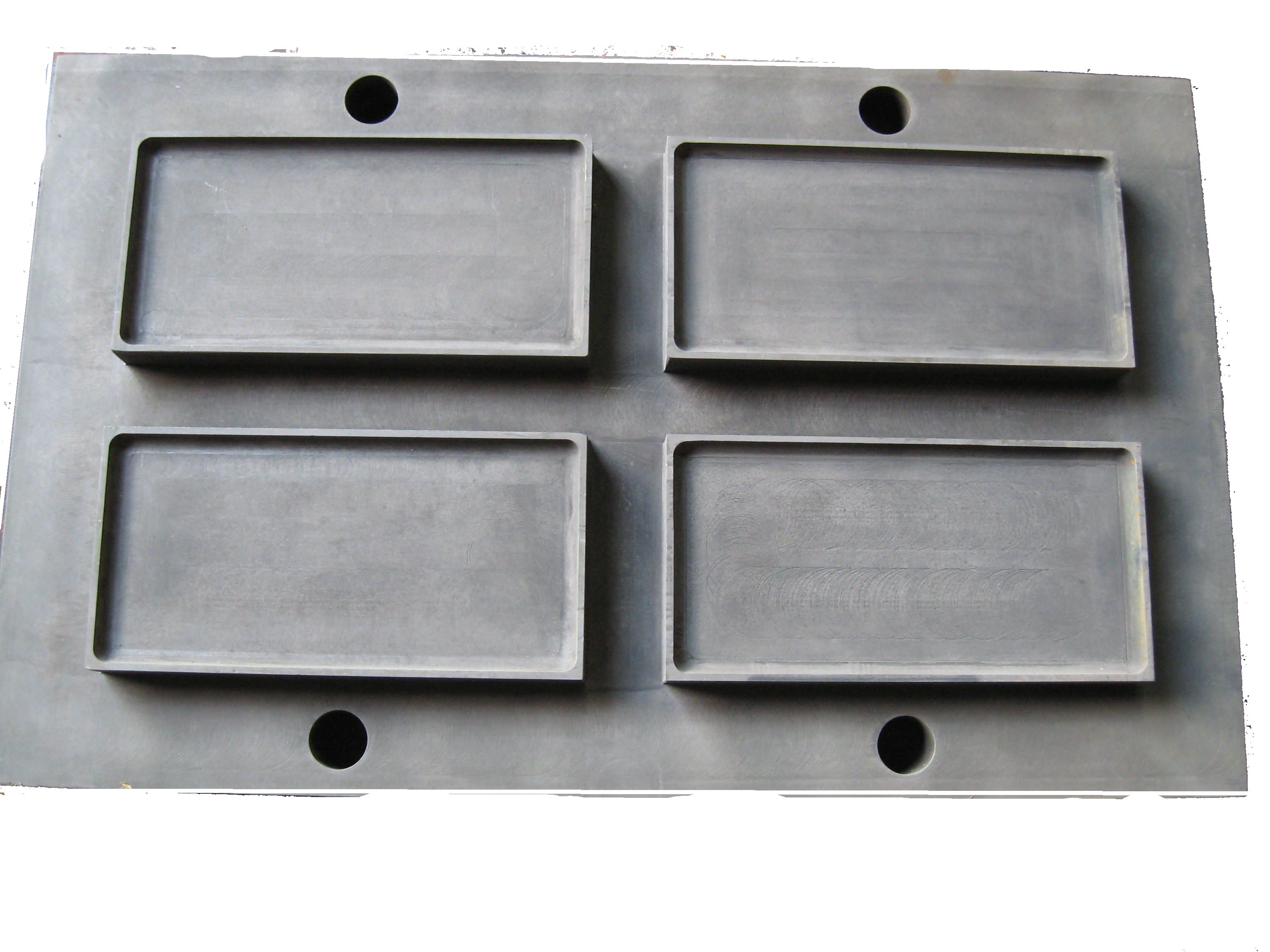


Carbonitriding of moulds for plastics and non-ferrous metals can be required for several reasons.
First, these moulds are subject to high mechanical and thermal loads during casting or pressing. This can cause rapid wear and surface damage, leading to poorer product quality. Carbonitriding can increase surface wear resistance, improve thermal stability and reduce the risk of surface damage in service.
Second, moulds for plastics and non-ferrous metals can be exposed to aggressive chemicals such as acids, alkalis and solvents. Carbonitriding can improve chemical resistance and help prevent corrosion.
Finally, carbonitriding can improve mould surface quality and reduce friction between the mould and the cast or pressed part. This can improve dimensional accuracy and detail definition, increase production efficiency and reduce mould maintenance costs.
In summary, carbonitriding of moulds for plastics and non-ferrous metals can significantly increase wear resistance and chemical resistance and improve surface quality, enhancing productivity and efficiency and reducing maintenance costs.